
















Britain’s Burham is New Prime Minister – Will He Get Along with Trump?
A New Leader Takes the Helm
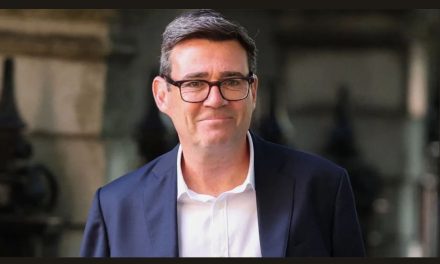
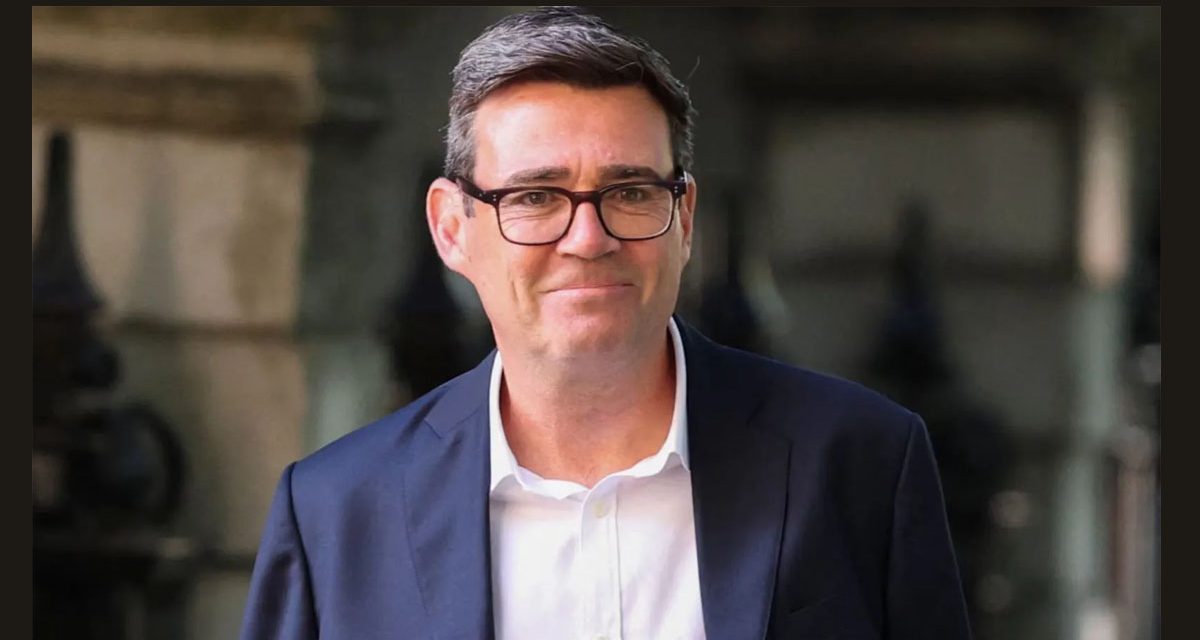
Britain has a new prime minister, and one of his first diplomatic challenges will be building a working relationship with President Donald Trump. Andy Burnham, the former mayor of Greater Manchester, officially became Britain’s prime minister after replacing Keir Starmer as leader of the Labour Party. At 56 years old, Burnham inherits a country struggling with sluggish economic growth, high living costs, pressure on the National Health Service, debates over immigration, and questions about Britain’s long term relationship with Europe.
His arrival also comes at a time when the United Kingdom and the United States remain among the world’s closest allies. While the two governments may disagree on economic and domestic policy, many observers believe the personal relationship between Burnham and Trump could play a significant role in determining whether those differences become manageable disagreements or larger diplomatic conflicts.
Who Is Andy Burnham?
Burnham has spent decades in British politics but built much of his recent popularity serving as mayor of Greater Manchester. Often called the “King of the North,” he earned a reputation as an effective communicator and a politician focused on local economic development rather than Westminster politics.
His governing philosophy has been described as “Manchesterism,” a business-friendly version of social democracy that attempts to combine public investment with private sector growth. Burnham has repeatedly emphasized that he intends to be a “pro-business” prime minister while also expanding the government’s role in infrastructure, transportation, housing, and certain public utilities.
He has promised what he called “the most significant change moment in our politics for 40 years.” His agenda includes shifting more authority from London’s central government to local governments, creating new industrial jobs, expanding educational opportunities, increasing public housing, and giving the government greater control over water and energy utilities.
Burnham has also pledged immediate efforts to reduce the cost of living and make ending rough sleeping one of his first priorities. He has promised a broader ten-year national plan designed to reshape Britain’s economy.
How Far Left Is Burnham?
One of the biggest questions surrounding Burnham’s arrival is whether he represents a dramatic shift to the political left or simply a different version of Labour’s traditional platform.
Sheri Berman, a professor of political science at Barnard College, argues that Burnham should not be viewed through the American political lens.
“That is not what Burnham aims to do nor the Labour Party, more generally,” Berman said when discussing accusations that Burnham is anti-capitalist. Instead, she described his program as fitting squarely within the European social democratic tradition.
“There is nothing in Burnham’s proposed policies that is not ‘social democratic,'” Berman explained.
She noted that proposals such as greater public control of utilities may sound unusual in the United States but have long been part of European politics and largely represent a return to Britain’s earlier economic model before the privatization policies introduced during Margaret Thatcher’s government.
Not everyone shares that interpretation.
Some analysts argue Burnham intends to move Labour further left by increasing government involvement in the economy, expanding public housing, and reversing many free market reforms introduced during the 1980s.
At the same time, Burnham has attempted to reassure business leaders by repeatedly describing himself as pro-business while also maintaining support for tighter immigration policies that began under Starmer.
David Bailey of the University of Birmingham believes Burnham’s changes may prove less revolutionary than many expect.
According to Bailey, much of Burnham’s promised transformation “might be best considered a shift in tone, without a massive shift in policies and ideology.”
Trump’s Early View
President Trump initially appeared skeptical of Britain’s incoming leader.
“I see that he was, I guess, the mayor of a town,” Trump remarked last month. “I hear he’s extremely liberal.”
Trump also questioned whether Burnham would support expanding North Sea oil production, an issue the president has repeatedly championed.
More recently, however, Trump’s tone shifted after reports suggested Burnham may support increased production from existing North Sea oil fields.
On Truth Social, Trump praised that possibility, saying expanded energy development could take “the United Kingdom from a Poverty Stricken Disaster to one of the Richest Countries anywhere in the world.”
Exactly how Burnham balances Labour’s environmental commitments with Britain’s domestic energy needs may become one of the first significant policy areas where Washington and London either cooperate or clash.
Burnham’s Strategy for Working With Trump
Burnham appears realistic about the challenges of dealing with President Trump but says he intends to approach the relationship directly rather than cautiously.
“It’s about being yourself,” Burnham said during a recent interview. “It’s about respecting the office, the relationship, the U.K.-U.S. relationship. Where you disagree, do it. But do it in a way that is kind of meeting him where he’s at.”
Unlike some leaders who have attempted to flatter Trump publicly, Burnham believes authenticity will produce better results.
“I like to think I’ve got some personality myself,” he said. “And I’ll just, you know, I’ll deal with him very upfront in the same way.”
His comments come after Starmer’s relationship with Trump deteriorated despite early efforts to maintain cordial relations.
Can Personality Overcome Political Differences?
Many political observers believe the future of the U.S.-U.K. relationship may depend less on ideology than on chemistry between the two leaders.
Bailey argues that Trump has often shown flexibility toward politicians he personally likes, even when they disagree with him politically.
“If Burnham is popular, continues with an anti-immigration stance, and makes only soft criticism of Britain’s record on Gaza, then it is entirely possible that Trump would not be too hostile towards him,” Bailey said.
He also pointed to Trump’s surprisingly cordial interactions with New York Mayor Zohran Mamdani despite earlier criticism during the campaign.
Still, Bailey cautioned that the relationship could sour if Burnham moves significantly further left after taking office.
Others are less optimistic, arguing Burnham’s domestic agenda and foreign policy priorities may increasingly place him at odds with the Trump administration.
A Critical Alliance Enters a New Chapter
Despite clear philosophical differences, few expect either government to weaken the historic alliance between the United States and the United Kingdom. The two countries remain deeply connected through defense cooperation, intelligence sharing, trade, and diplomacy.
The larger question is whether Burnham’s social democratic approach and Trump’s populist conservatism can coexist without allowing policy disagreements to damage one of the world’s most important strategic relationships.
Burnham has made clear he intends to approach Trump directly, respectfully, and honestly. Trump has already shown that his opinion of Britain’s new leader may evolve as Burnham’s policies become clearer.
As Britain’s seventh prime minister in just over a decade begins governing, the personalities of the two leaders may ultimately prove just as important as the political philosophies they represent.


Paul DunGoff: I am smarter than you, fer sure. I have the degrees to prove it. Not that it's important…
Good article, here’s the numbers behind it: *https://usafacts.org/articles/how-many-people-get-sick-from-foodborne-illnesses/* People do get sick, but more often in eating out than in.…
Dunger you aren’t smarter than anyone. You can’t even tell us why we should vote for democrats. It’s like “…
Comrade Uncle Dung: if being a communist socialist and nationalizing our elections is smart then sure, you got it. I…
Dunger you’re admitting that Trump is smarter than you are