












James Carville and the ‘HR Department’ Problem Democrats Cannot Quit
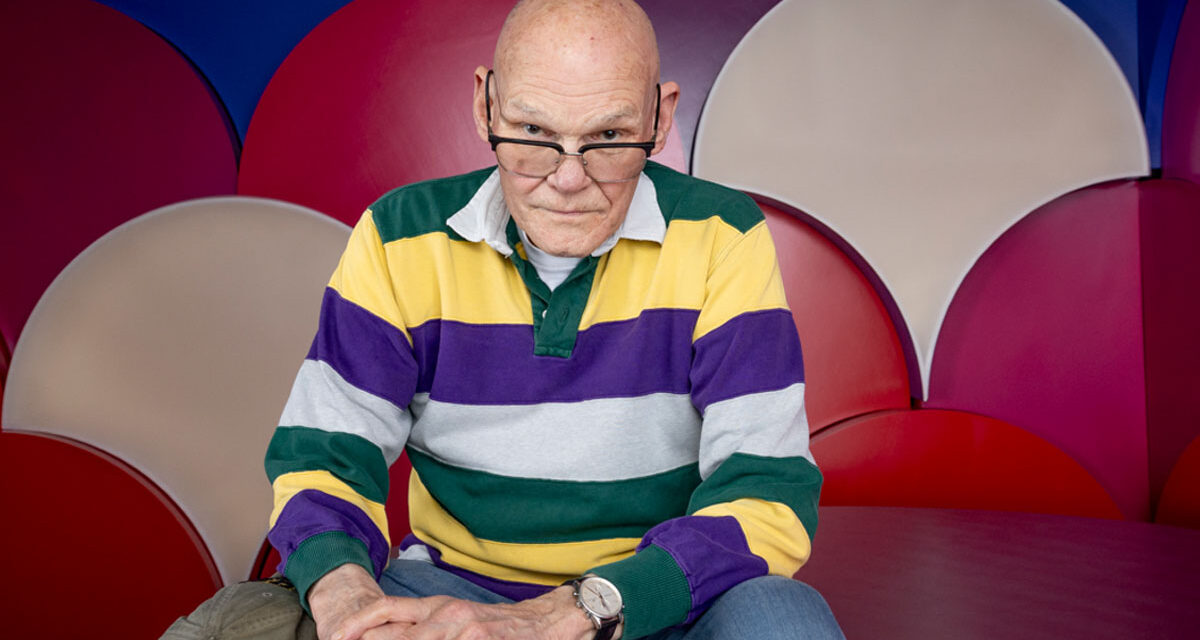
Before we begin, a disclaimer. James Carville is not on our team. He is a lifelong Democrat, a Clinton-era strategist, and a fierce partisan when it suits him. That said, he is also one of the most interesting opposition analysts still breathing. When someone on the other side openly explains how his own party is screwing things up, it is worth listening. Especially when he is this blunt, this irritated, and this entertaining.
Carville is watching Democrats make the same mistakes over and over again, and he is not shy about saying so. From the dreaded ‘HR Department’ vibe to self-absorbed candidates and magical thinking about voters, his critique reads less like a partisan attack and more like an internal autopsy.
Who Is James Carville?
James Carville is best known as the “Ragin’ Cajun,” the political strategist who helped elect Bill Clinton in 1992 with a brutally simple message that still haunts politics today: it’s the economy, stupid. He built his reputation on plain talk, focus on voters rather than activists, and a ruthless willingness to say what others would not.
Over the decades, Carville has advised Democratic campaigns, appeared endlessly on television, and written blunt opinion pieces warning his party not to lose touch with normal people. At 81 years old, he is fully aware that many Democrats see him as a relic from a centrist era. He does not care. He thinks he is right, and recent elections have only hardened that belief.
The First Big Mistake: Treating Young Voters Like a Permanent Asset
Carville openly admits one of his biggest strategic errors. He once believed Democrats were destined to win for decades because they had young voters and non-White voters on their side. He even wrote a book making that case.
He now calls that belief “political Presbyterianism,” the idea that elections are somehow ordained by demographics and that outcomes can be spit out by a computer. He now says that assumption was really, really stupid.
Young voters are not loyal. They are not guaranteed liberals. They are not permanently attached to any party. According to focus groups and post-election analysis, young people, especially young men, are willing to walk away from whatever is not working for them. They are struggling with housing, debt, and basic survival. They are not interested in being lectured.
The ‘HR Department’ Problem
This is where Carville really loses his patience.
In focus groups with young voters, the most common word associated with Democrats was not compassionate or inclusive. It was weak. And right behind it was something worse.
The HR department.
To young voters, especially men, Democrats sound like corporate compliance officers. Endless rules. Endless language policing. Endless moral lectures. No sense of urgency, no fire, no economic fight.
Carville sees this as a self-inflicted wound created by years of far-left identity politics. He has warned repeatedly that the party alienated people by turning politics into a scolding seminar. When voters describe your party as the HR department, he says, you should listen and never repeat that mistake again.
Identity Politics as a Strategic Dead End
Carville does not mince words about the identity movement Democrats embraced over the last decade. He calls it a giant, stupid mistake, especially in its language and tone.
Terms like Latinx, BIPOC, defund the police, and other activist slogans may have played well in certain circles, but they poisoned the party’s brand with working class voters, rural voters, and men. Polling shows most Americans believe Democrats are more interested in social issues than economic ones. Carville agrees with that diagnosis and thinks it has been devastating.
His argument is not that social issues do not matter. His argument is that they cannot be the centerpiece. Economics must come first, loudly and aggressively.
The Crockett Problem: Making It About Yourself
Carville’s criticism of Rep. Jasmine Crockett is a textbook example of his broader warning.
Crockett launched her Senate campaign with a stylized video focused on Donald Trump insulting her. Carville was unimpressed. His view is simple: politics is about voters, not about you.
He says Crockett violates the first rule of politics by turning the campaign into a personal branding exercise. Clicks, viral moments, and TV appearances may feel productive, but they do not win elections. Helping Democrats win competitive districts does.
In Carville’s view, being polemic is not the same as being effective. A candidate can stay in Congress forever, get attention, and still not actually help the party win power.
The Mistake of Mistaking Noise for Momentum
Another error Carville sees everywhere is confusing attention with success. Fundraising spikes, social media buzz, and viral moments create the illusion of momentum. But elections are won by framing issues voters care about and meeting them where they are.
He believes Democrats know what wins elections, but many candidates ignore that knowledge in favor of personal visibility. That, he argues, is a luxury the party cannot afford.
Carville on Trump: No Wizard, Just a Loud Problem
Carville is famous for his theatrical takedowns of Donald Trump, and he continues to insist that Trump is not some political genius. He mocks the idea that Trump is a mastermind or a magician.
According to Carville, Trump keeps sabotaging himself by refusing to focus on affordability, which was the centerpiece of his campaign. Instead, Trump goes off on inflammatory rhetoric, insults, and distractions. Carville believes voters are noticing and that Trump is paying for it politically.
He repeatedly says Trump is done, that his message is wearing thin, and that Democrats are gifted with a second chance if they stop blowing it.
Economic Rage as the Only Way Forward
Carville’s prescription for Democrats is not subtle. He wants economic populism, loud and unapologetic.
He argues the party must run on anger about the cost of living, housing, utilities, and inequality. Rent is out of control. Young people cannot buy homes. Student debt is crushing. Utility bills are rising. Child care is unaffordable.
In his view, Democrats must present themselves as enemies of a rigged system, not managers of it. If they sound like administrators instead of fighters, voters will continue to drift away.
Why This Matters Even If You Disagree With Him
We are happy to watch Democrats self-destruct. But even from that perspective, Carville is worth paying attention to. He is not a progressive activist or a cable news caricature. He is a seasoned opposition analyst explaining exactly where his side is vulnerable.
His warnings are not about ideology. They are about tone, priorities, and discipline. He believes Democrats lost years chasing moral posturing while voters wanted economic relief. He thinks the HR department image is deadly. And he believes candidates who make campaigns about themselves are wasting precious opportunities.
You do not have to like James Carville to respect his clarity. And you definitely do not have to agree with his solutions to appreciate his diagnosis.
When the opposition starts admitting their own mistakes this openly, it usually means something has gone very wrong on their side.


Pray for the democrats. Read psalms 109:8. It fits the purpose.
Psalms 109:8. Pray for the democrats