






















States Battle Big Tech Over App Store Law to Protect Children
A Growing Push for More Parental Control
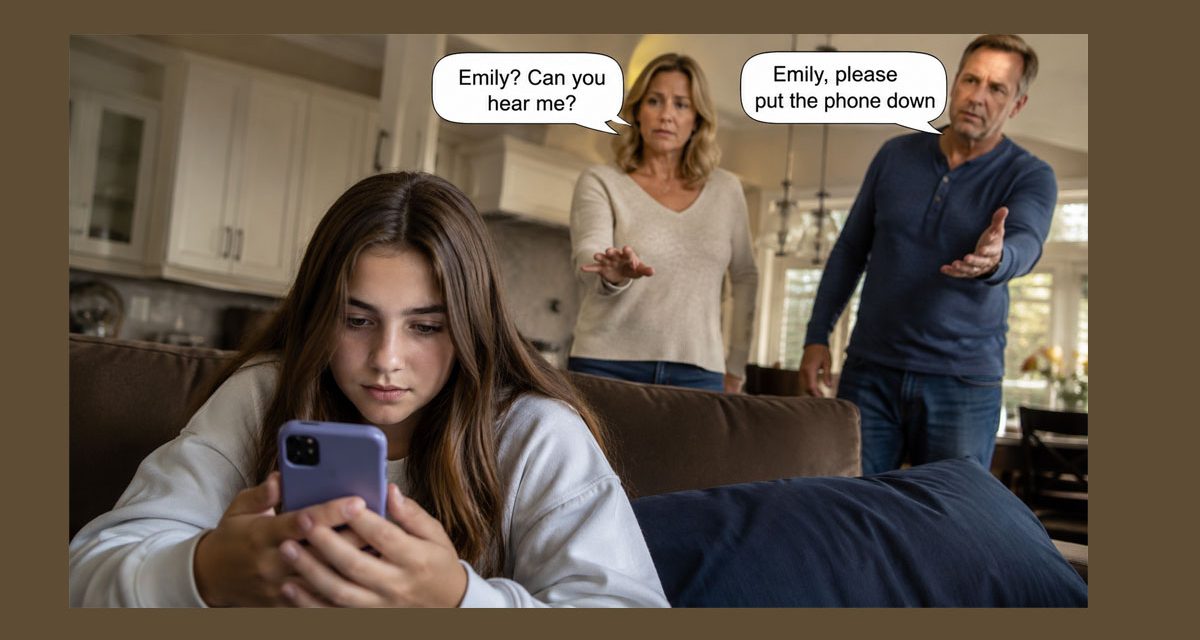
A major legal battle is underway over who should control children’s access to smartphone apps. At the center of the fight is the Texas App Store Accountability Act, a law supporters say gives parents greater authority over their children’s online activities while helping protect minors from harmful digital content. Opponents argue the law goes too far, violates constitutional rights, and threatens privacy.
The case has now reached the U.S. Supreme Court, where Texas has gained the support of a bipartisan coalition of 27 state attorneys general who argue that the law is both constitutional and necessary to protect children.
What the App Store Accountability Act Would Do
The Texas App Store Accountability Act, also known as Senate Bill 2420, requires app stores and app developers to verify the age of users. It also requires parental consent before anyone under the age of 18 can download apps or make purchases through an app store.
Supporters describe the law as a practical way to ensure that parents know what their children are accessing online and can approve or deny downloads before they occur.
According to the coalition supporting Texas, the law gives parents “greater visibility and control over which contracts their children enter into with app stores and developers.”
Texas lawmakers argue that the legislation simply extends traditional parental authority into the digital world.
A Coalition of States Joins Texas
Florida Attorney General James Uthmeier is leading the coalition of 27 state attorneys general defending the law before the Supreme Court.
The coalition argues that states have “a compelling interest in protecting the physical and psychological well-being of minors” and that protecting children has long been one of the fundamental responsibilities of state governments.
Uthmeier said the case is ultimately about parental rights.
“Texas is fighting for the rights of parents to direct the upbringing of their kids,” Uthmeier told Politico, adding that “those rights should not be subject to the predations of Big Tech.”
Several other attorneys general echoed those concerns.
Kansas Attorney General Kris Kobach called the legislation “a meaningful first step to help prevent kids from accessing inappropriate or mature content.”
Nevada Attorney General Aaron Ford described age verification as “a key piece” of protecting children online. He pointed to legal actions his office has taken involving Roblox as well as lawsuits against Discord, Meta, and YouTube as examples of broader efforts to improve online child safety.
Kentucky Attorney General Russell Coleman also voiced support for similar protections at the federal level.
“I’m willing to support innovative ideas at the federal level to protect kids from online abuse and addiction,” Coleman said, provided they complement state consumer protection efforts.
Until Congress acts, Coleman said, “states are doing what they do best: defending their own citizens.”
Representative Caroline Fairly Defends the Law
Texas Representative Caroline Fairly, who sponsored the legislation in the Texas House, says the measure simply reinforces the rights parents already possess.
“When 27 different states join together to defend digital safety for minors, it’s a powerful thing,” Fairly said.
She added that Texans had already amended their state constitution to recognize parental authority.
“Texans amended our constitution to affirm that parents, not tech companies, have the right to direct their children’s upbringing. SB 2420 simply makes that promise real in the online world.”
Supporters also argue that voluntary parental controls offered by technology companies have not been enough to protect children from harmful online experiences, making state action necessary.
Supporters Say Children Are Being Harmed
Backers of the law argue that today’s app ecosystem exposes children to inappropriate content, online exploitation, addictive features, and mature material without sufficient parental oversight.
The attorneys general argue that stronger safeguards are needed because existing voluntary protections have significant deficiencies.
Their legal brief states that the law protects children while strengthening parents’ ability to supervise their children’s online activity.
Supporters also emphasize that protecting children from both physical and psychological harm has long been recognized as a legitimate responsibility of state governments.
Who Is Fighting the Law?
The lawsuit challenging the App Store Accountability Act was filed by Students Engaged in Advancing Texas, known as SEAT, together with the Computer and Communications Industry Association, or CCIA.
The plaintiffs argue that the law infringes upon the First Amendment by restricting minors’ access to apps that facilitate speech and expression.
A federal district judge agreed that the challengers were likely to succeed and temporarily blocked enforcement of the law. However, the Fifth Circuit Court of Appeals later stayed that ruling, allowing the law to take effect while the appeal continues.
The challengers have now asked the Supreme Court to restore the injunction.
Opponents Say the Law Violates Free Speech
The Computer and Communications Industry Association argues that requiring age verification and parental consent places unconstitutional government controls on access to protected speech and lawful information.
CCIA CEO Matt Schruers warned that mandatory identification requirements undermine fundamental constitutional protections.
“Accessing the internet should not require surrendering personal data, just as entering a bookstore should not require showing government identification,” Schruers said.
CCIA also argues that the law forces app stores to engage in compelled speech through government mandated age ratings while exposing companies to significant compliance costs.
The organization says app stores already provide voluntary parental control tools that families can use without government mandates.
Students Engaged in Advancing Texas raises similar concerns.
Executive Director Cameron Samuels argued that age verification creates unnecessary barriers for teenagers who use technology for education, journalism, and civic engagement.
Samuels warned that “this kind of age verification opens doors for further limiting the rights and damaging the privacy of all internet users.”
The student group also argues that Texas has not demonstrated sufficient evidence that the law is needed to address an actual problem.
According to court filings, the plaintiffs contend that less restrictive alternatives already exist and that voluntary parental controls provide a better solution.
A Debate Likely to Shape National Policy
While the Supreme Court considers the Texas case, Congress is debating similar legislation at the federal level.
A federal version of the App Store Accountability Act recently passed the House as part of the KIDS Act. At the same time, Senator Marsha Blackburn is negotiating broader online child safety legislation with the White House that is expected to include similar age verification and parental approval requirements.
The outcome of the Texas case could therefore have implications far beyond one state. At its core, the dispute reflects two competing priorities: protecting children through stronger parental oversight versus preserving privacy and First Amendment protections in the digital age. As lawmakers and judges weigh those competing interests, the Supreme Court’s decision may help define how online child safety is regulated across the country for years to come.
PB Editor: If it passes it will protect children, but it takes a step toward government control of the internet.
The ONLY way to protect children and to protect rights to privacy is to require that children only have access to a device that is locked down, and cannot be unlocked.
Just like protecting children from the addictions of tobacco and alcohol, we need to have a means to protect them from addictive and dangerous information.




I have written many a speech for executives; I have constructed more business cases asking for development dollars than I…
Postmarked by election date says they are in the hands of the government on time. The fact that a final…
I agree, mail ins should be post marked no later than 10 days prior to election. But counted on Election…
Even cunts?
Bocca Joe: Thank you for your support of the champion of The New Deal and the father of the modern…