












Robots and AI … any future for mankind?
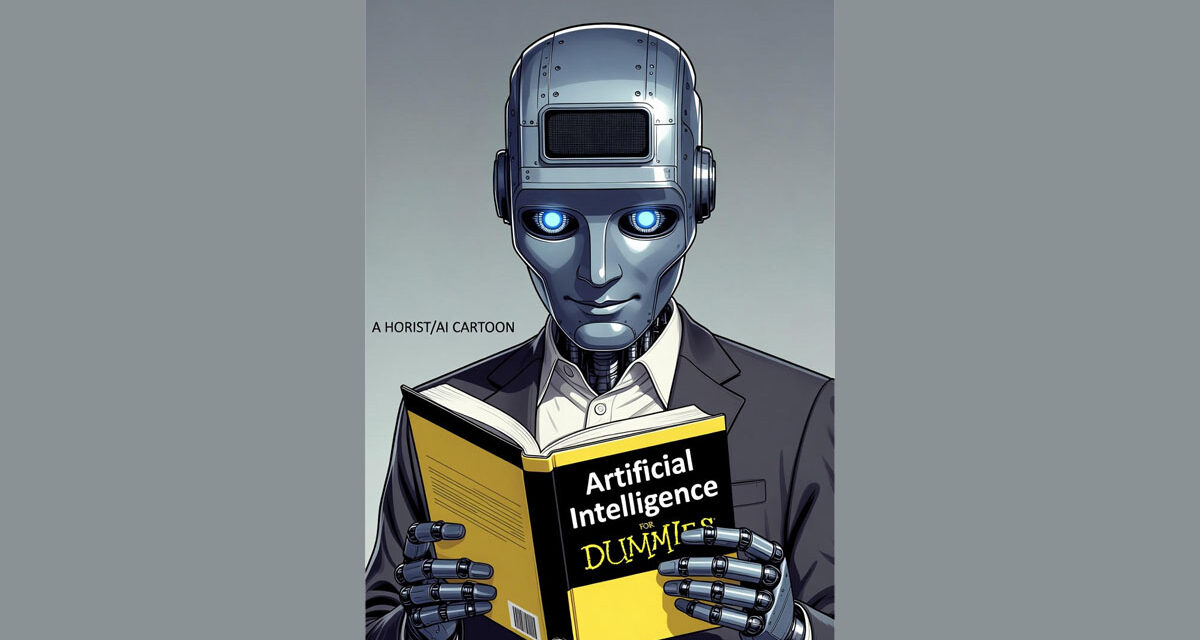
Two technologies that have burst on the scene in recent years are Artificial Intelligence (AI) and humanoid robots. Given the intellectual capacity of AI and the physical superiority of robots, what chance do we humans have?
Artificial Intelligence and humanoid robotics represent two converging revolutions. AI brings unprecedented computational power, enabling machines to learn, reason, and generate knowledge at speeds far beyond human capacity. Humanoid robots, meanwhile, embody physical dexterity, endurance, and precision that surpass human limitations. They are immune to human diseases and physical vulnerabilities, and are totally fungible. When combined, these technologies create entities that can think faster and act stronger than any person. The question is not whether they will reshape society, but how—and whether humanity can adapt to the transformation without losing its sense of purpose.
The Promise of AI
AI has already infiltrated daily life. From recommendation algorithms on streaming platforms to advanced diagnostic tools in medicine, AI demonstrates its ability to process vast datasets and identify patterns invisible to human perception. In healthcare, AI systems can detect early signs of cancer from medical scans with accuracy rivaling or exceeding radiologists. In finance, algorithms execute trades in milliseconds, optimizing portfolios in ways no human can. In creative fields, AI generates music, art, and literature, challenging the notion that creativity is uniquely human.
The benefits are clear: efficiency, accuracy, and scalability. AI can democratize knowledge, provide personalized education, and accelerate scientific discovery. Yet the very strengths of AI raise concerns about displacement. If machines can write reports, compose symphonies, and diagnose illnesses, what becomes of the professionals who once performed these tasks?
The Emergence of Humanoid Robots
Robotics has long been associated with industrial automation—machines welding car frames or assembling electronics. But humanoid robots represent a leap forward. Designed to mimic human form and movement, they can navigate environments built for people — climbing stairs, opening doors, and interacting with tools. Companies like Tesla and Boston Dynamics are developing robots capable of performing warehouse work, caregiving, and even companionship.
The physical superiority of robots lies in their endurance and precision. They do not tire, require breaks, or suffer injuries in the same way humans do. A humanoid robot could work a 24-hour shift in a factory, lift heavy loads without strain, or perform delicate surgeries with mechanical steadiness.
The Impact on Employment
The most immediate consequence of AI and humanoid robots is job displacement. Automation has already replaced millions of manufacturing jobs, but the next wave threatens white-collar professions. AI can draft legal contracts, analyze financial statements, and even provide customer service. Robots can replace workers in logistics, construction, and healthcare support.
Society must grapple with how to adjust. One possibility is the emergence of new industries, just as past technological revolutions created jobs in areas that previously did not exist. For example, the rise of the internet spawned careers in web design, cybersecurity, and digital marketing. Similarly, AI and robotics may generate demand for robot maintenance, AI ethics oversight, and human-machine collaboration specialists.
Another solution is policy-driven. Universal basic income (UBI) – an idea once proposed by conservative economist Milton Friedman — has been proposed as a way to cushion the economic shock of mass unemployment. If machines perform the labor, humans could receive stipends to pursue education, art, or leisure. Yet such policies raise questions about sustainability, fairness, and motivation. Will people find meaning in lives where work is optional, or will idleness breed discontent?
Social and Psychological Implications
Interacting with AI and robots will reshape human psychology. In the workplace, employees may feel diminished when machines outperform them. Imagine a lawyer whose AI assistant drafts flawless briefs in seconds, or a surgeon whose robotic counterpart performs operations with greater precision. The human professional risks becoming a supervisor rather than a creator, leading to feelings of redundancy.
In sports, robots could train athletes by simulating perfect opponents or even replace them in competitions. Would spectators prefer watching humanoid robots play soccer with flawless technique, or does the drama of human imperfection define sport? The psychological bond between fans and athletes may weaken if machines dominate the field.
In businesses, AI-driven customer service bots already interact with clients, often more efficiently than humans. While convenient, this depersonalization risks eroding the human touch that builds trust and loyalty.
Perhaps most controversial is the role of robots “in bed.” Sex robots and AI companions are emerging markets, promising intimacy without the complexities of human relationships. They offer more than an inflatable doll. While some argue these technologies could reduce loneliness or provide safe outlets, critics warn of psychological detachment, objectification, and the erosion of genuine human connection. If companionship can be purchased in robotic form, what happens to the social fabric built on relationships, family, and community?
Replacement of Humans
The replacement of humans by AI and robots is not hypothetical—it is already happening. Self-driving cars threaten taxi and truck drivers. AI tutors challenge teachers. Humanoid robots could replace caregivers in eldercare facilities, offering consistent attention but lacking empathy.
Yet replacement is not always negative. Robots can perform dangerous tasks, such as firefighting, mining, or disaster relief, sparing human lives. AI can monitor climate change data and propose solutions faster than human scientists. The challenge lies in balancing efficiency with humanity.
Musk, Mars, and the Future of Exploration
Elon Musk’s vision of colonizing Mars raises the question: will humans or robots make the initial journeys? Sending humans involves immense risk—radiation exposure, psychological strain, and the difficulty of sustaining life in hostile environments. Humanoid robots, immune to many of these challenges, could serve as pioneers, building habitats and infrastructure before humans arrive.
It is plausible that the first “settlers” on Mars will be robotic. AI-driven humanoids could construct bases, mine resources, and prepare the planet for human habitation. Musk’s dream of a multiplanetary species may begin not with human footprints, but with robotic ones. In many ways it advances the technology that has already sent “machines” in outer space exploration.
Adjusting to the New Reality
Humanity’s survival in the age of AI and robots depends on adaptation. Education must evolve to emphasize creativity, empathy, and ethics—skills that machines cannot replicate. (Or can they?) Policies must address economic displacement, ensuring that technological progress benefits all rather than a privileged few. Social norms must redefine the value of human connection in a world where machines can simulate intimacy.
Ultimately, the question is not whether humans have a chance, but whether we can redefine what it means to be human. Machines may surpass us in intellect and strength, but they lack consciousness, emotion, and moral judgment. Our role may shift from laborers to stewards, guiding technology toward ethical and humane ends.
Summary
Artificial Intelligence and humanoid robots are not adversaries but tools—powerful, transformative, and potentially dangerous. They can liberate humanity from drudgery, expand our horizons to other planets, and accelerate progress. Yet they also threaten jobs, relationships, and identity. The future will be shaped not by the machines themselves, but by how we choose to integrate them into society.
Humans still have a chance—not by competing with machines, but by embracing our unique qualities: empathy, creativity, and moral responsibility. If we succeed, AI and robots may become partners in building a better world. If we fail, we risk becoming spectators in a future dominated by our own creations.
So, there ‘tis.





Letsee…they will take all of our jobs and we will begin to degrade in all ways because machines will do it better. Soon they will realize that humans are consuming to many resources and not productive in any meaningful way to allow them to continue to exist. It would be illogical.