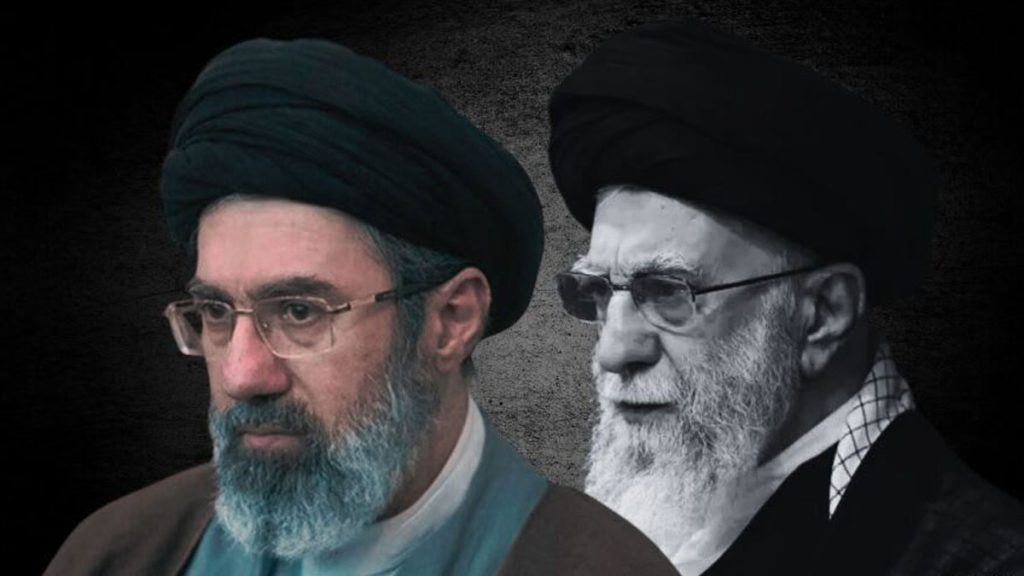
<p class="wp-block-paragraph">The recent appointment of Mojtaba Khamenei as Iran&#8217;s new Supreme Leader prompts a simple question. How long will this guy last?</p>


<p class="wp-block-paragraph">The strategy unfolding in Iran appears straightforward. It involves the systematic removal of unacceptable leaders. This process commenced with the elimination of Ayatollah Ali Khamenei, along with an estimated forty of his top leaders, staff members, and family members in the initial strikes. Subsequent operations targeted the replacements and even some individuals responsible for selecting those replacements.</p>


<p class="wp-block-paragraph">Notably, none of those earlier actions succeeded in eliminating Ali Khamenei&#8217;s hardline son, Mojtaba Khamenei. President Trump issued a clear warning to those currently managing affairs in Tehran. Do not select Mojtaba. He is unacceptable. That admonition went unheeded. Since then, Trump has openly predicted that Mojtaba will not remain as Supreme Leader for very long.</p>


<p class="wp-block-paragraph">As of this writing, Mojtaba has not been seen or heard from publicly since the attack that claimed the lives of his father, mother, wife, and son. Reports indicate that he sustained wounds in the assault, though the severity remains unknown. If those accounts hold true, one wonders whether the injuries have contributed to his prolonged absence from view.</p>


<p class="wp-block-paragraph">Trump has stated that it is not his intention to personally select Iran&#8217;s leader, yet he reserves the right to veto unacceptable candidates. This position effectively places a prominent target on the back of the newly installed Supreme Leader.</p>


<p class="wp-block-paragraph">Mojtaba is regarded as even more brutal and hardline than his father. Should he have survived the attack that decimated his family, it seems improbable that the experience will not make him a kinder and gentler person. One might reasonably expect the opposite &#8212; a man hardened by personal loss and elevated to supreme power amid ongoing conflict.</p>


<p class="wp-block-paragraph">Democrats have flooded the airwaves with declarations that Mojtaba&#8217;s selection represents a major setback for Trump—yet another pretext to label the entire operation against Iran as a grave mistake. They insist that eliminating Ali Khamenei merely paved the way for an even worse Supreme Leader. Such commentary might carry some weight if one assumes the conflict has concluded and Mojtaba is now a permanent fixture—or if the primary objective is to undermine the American effort, a pursuit in which many Democrats appear fully invested.</p>


<p class="wp-block-paragraph">This line of argument amounts to little more than political spin &#8212; propaganda that conveniently benefits Tehran. The conflict is not over yet. One suspects that Operation End of Mojtaba is already in the planning stages, with on-the-ground intelligence operatives beginning to locate and monitor his movements. The notion that Iran can simply install a more extreme successor and expect the pressure to cease reflects either wishful thinking or deliberate misrepresentation.</p>


<p class="wp-block-paragraph">Trump&#8217;s approach is refreshingly direct in an era of diplomatic tiptoeing. He refuses to pretend that the United States must accept whatever figure emerges from Iran&#8217;s opaque clerical machinery, especially when that figure promises continued hostility. By blackballing Mojtaba in advance, Trump has stripped away any illusion of inevitability surrounding the appointment. Iran chose defiance over prudence, elevating a man Trump has already deemed a &#8220;lightweight&#8221; and unacceptable.</p>


<p class="wp-block-paragraph">The irony is thick. Tehran parades Mojtaba as a symbol of unbreakable resolve, yet his conspicuous absence since the family-shattering strike raises awkward questions. Is he truly leading, or is he recovering in some undisclosed location? The regime&#8217;s hardliners trumpet continuity, but the silence from the new leader speaks volumes. Opponents within Iran have been heard chanting against him from their windows, a rare public display of dissent amid the chaos.</p>


<p class="wp-block-paragraph">There is also a question whether the new Supreme Leader is really the leader. There has already been a dispersion of power and authority to regional commanders. To the extent that anyone is in charge, it is more likely to be the Iran Republican Guard folks.</p>


<p class="wp-block-paragraph">In the end, this episode underscores a fundamental reality. Aggressive regimes do not moderate through accommodation. They respond to strength. The targeted eliminations have disrupted Iran&#8217;s leadership succession, forcing hasty decisions under fire. Democrats may spin this as failure, but the battlefield tells a different story. The war continues even as oil prices surge. And the mullahs&#8217; grip is shakier than ever.</p>


<p class="wp-block-paragraph">One need not be a betting man to wager that Mojtaba Khamenei&#8217;s tenure will prove remarkably brief. History suggests that when Trump draws a red line, he eventually backs it with action. He is not a man given to empty defiant gestures. Tehran may have rolled the dice on a harder hardliner, but the house—in this case, American and allied powers—holds the stronger hand. How long before the current &#8220;unacceptable leader” meets those celestial virgins? Place your bets while the wagering is still open.</p>


<p class="wp-block-paragraph">So, there ‘tis.</p>

Any Bets on How Long the New Iranian Supreme Leader Lasts?