<h3 class="wp-block-heading">A New Federal Law Targeting Digital Sexual Abuse</h3>


<p class="wp-block-paragraph">On May 19, 2025, President Donald Trump signed into law one of the most significant bipartisan bills of his second term. Known as the <em>Take It Down Act</em>, the new law makes it a federal crime to share or threaten to share nonconsensual intimate images, including those created using artificial intelligence. The legislation passed with overwhelming support in Congress, reflecting a rare moment of unity in an otherwise deeply divided political climate.</p>


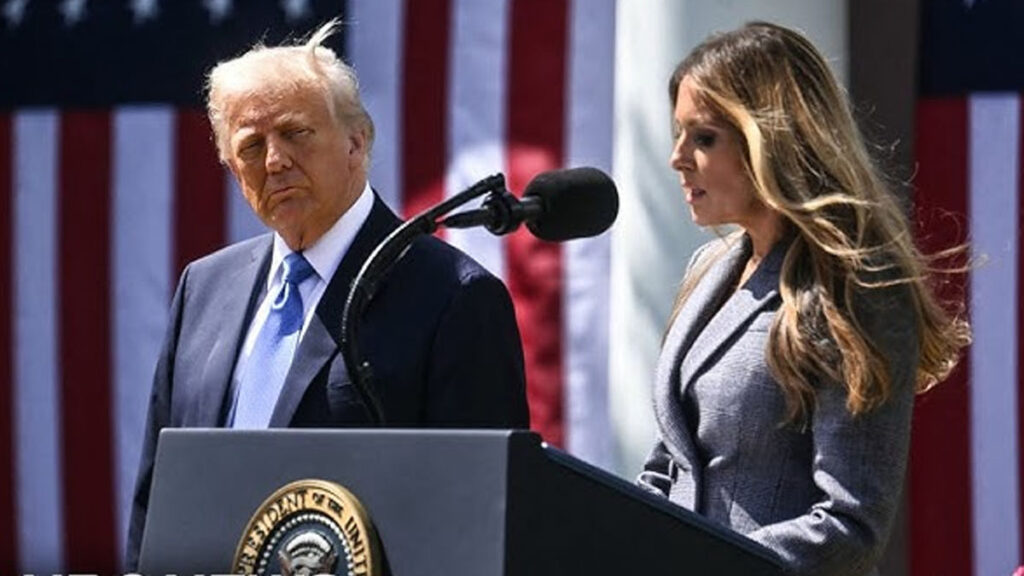
<p class="wp-block-paragraph">At the White House Rose Garden signing ceremony, President Trump emphasized the importance of the law and praised the cooperation that made it possible. “We’ve shown that bipartisanship is possible,” he said. “It’s the first time I’ve seen such a level of bipartisanship, but it’s a beautiful thing to do.”</p>


<p class="wp-block-paragraph">Trump credited First Lady Melania Trump for pushing the legislation forward. “Honey, a lot of the Democrats and Republicans don’t get along so well,” he said during his remarks. “You’ve made them get along, and she didn’t even know about that. She didn’t know we had a problem. She got it.”</p>


<h3 class="wp-block-heading">What the Law Actually Does</h3>


<p class="wp-block-paragraph">The <em>Take It Down Act</em> criminalizes the publication or threat to publish sexually explicit content without consent. It includes both authentic and AI-generated images, a category that has grown rapidly with the spread of deepfake technology. Offenders who share images involving minors can face up to three years in prison. Sharing adult content without consent can lead to two years in prison. If someone threatens to release such images, the penalties are up to two and a half years for threats involving minors, and up to one and a half years for adults.</p>


<p class="wp-block-paragraph">The law also requires social media platforms like TikTok, Instagram, and Snapchat to take down flagged content within 48 hours of a request from the victim. They are required to make reasonable efforts to remove all copies of the image or video. The Federal Trade Commission is now responsible for enforcing these rules.</p>


<p class="wp-block-paragraph">Senator Ted Cruz of Texas and Senator Amy Klobuchar of Minnesota introduced the bill in the Senate. It passed there without opposition in February. In the House, the bill passed by a vote of 409 to 2. The only two members who voted against it were Republicans Thomas Massie of Kentucky and Eric Burlison of Missouri. An additional 22 House members did not vote.</p>


<h3 class="wp-block-heading">The AI Deepfake Crisis</h3>


<p class="wp-block-paragraph">The law specifically addresses the growing problem of AI-generated images, also known as deepfakes. These images can place a person’s face onto another body in realistic-looking pornographic content. Deepfakes first gained public attention in 2017, when a Reddit user posted altered pornography featuring celebrity faces. Since then, the technology has become more advanced and easier to access, making it a dangerous tool for harassment and abuse.</p>


<p class="wp-block-paragraph">“With the rise of AI image generation, countless women have been harassed with deepfakes and other explicit images distributed against their will,” Trump said. “This is wrong. Just so horribly wrong. It’s a very abusive situation like people have never seen before. And today, we’re making it totally illegal.”</p>


<h3 class="wp-block-heading">Melania Trump’s Leadership on the Issue</h3>


<p class="wp-block-paragraph">First Lady Melania Trump has been one of the strongest voices behind the bill. She first raised the issue years ago during her “Be Best” initiative, which focused on children’s safety and well-being online. Since returning to the White House, she has continued that mission, placing special emphasis on protecting young people from digital abuse.</p>


<p class="wp-block-paragraph">“This legislation is a powerful step forward in our efforts to ensure that every American, especially young people, can feel better protected from their image or identity being abused,” she said at the signing ceremony.</p>


<p class="wp-block-paragraph">In March, Melania held a roundtable on Capitol Hill with lawmakers and victims of AI exploitation. She brought national attention to the emotional damage caused by these crimes. “Artificial intelligence and social media are a digital candy for the next generation,” she said at the time. “Sweet, addictive, and engineered to have an impact on the cognitive development of our children. But unlike sugar, these new technologies can be weaponized to shape beliefs, and sadly affect emotions and even be deadly.”</p>


<p class="wp-block-paragraph">She also stated, “This toxic environment can be severely damaging. We must prioritize their well-being by equipping them with the support and tools necessary to navigate this hostile digital landscape. Every young person deserves a safe online space to express themselves freely, without the looming threat of exploitation or harm.”</p>


<h3 class="wp-block-heading">Voices of Victims and Advocates</h3>


<p class="wp-block-paragraph">At the roundtable, Melania invited several victims of revenge porn and deepfake abuse to share their stories. One of them was 15-year-old Elliston Berry from Texas, who said she discovered a nude photo with her face attached had been created with AI and spread on social media. “Fear, shock, and disgust were just some of the many emotions I felt,” she said. “I felt responsible and began to blame myself and was ashamed to tell my parents, despite doing nothing wrong.”</p>


<p class="wp-block-paragraph">Another victim, Francesca Mani from New Jersey, shared that she and other girls at her school were targeted with deepfake images. “Teenagers might not know all the laws, but they do know when something is wrong,” she said. “Schools need to take immediate, serious action to ensure that AI exploitation, harassment, and deepfake abuse are met with real consequences.”</p>


<p class="wp-block-paragraph">Melania Trump later invited these young women to be her special guests at President Trump’s address to Congress. Their presence helped highlight the urgency of the issue and the need for stronger protections.</p>


<h3 class="wp-block-heading">A Tragic Reminder</h3>


<p class="wp-block-paragraph">The signing ceremony also included state Rep. Brandon Guffey of South Carolina, whose teenage son Gavin committed suicide in 2022 after falling victim to a sextortion scam. “I lost my oldest son, Gavin Guffey, to suicide,” he said. “We quickly found out that he was being extorted online. Someone pretending to be a young female requested images. As soon as he shared those images, he took his life. It was an hour and 40 minutes from the time that he was contacted until the time that he took his life.”</p>


<p class="wp-block-paragraph">His testimony added emotional weight to the legislation and showed just how devastating these crimes can be, especially when young people are targeted.</p>


<h3 class="wp-block-heading">Praise and Criticism</h3>


<p class="wp-block-paragraph">While the bill has earned praise from both parties and many victim advocacy groups, it has also raised concerns among digital rights organizations. The Electronic Frontier Foundation warned that the law could lead to overreach by social media companies. They argued that the 48-hour removal requirement might force platforms to rely on automated filters that could flag legal content, including satire, journalism, or fair use.</p>


<p class="wp-block-paragraph">“The legislation’s tight time frame requires that apps and websites remove content so quickly to avoid legal risk that they won’t be able to verify claims,” the group said in a statement. “Instead, automated filters will be used to catch duplicates, but these systems are infamous for flagging legal content.”</p>


<p class="wp-block-paragraph">Despite these warnings, the law remains widely supported as a much-needed response to the misuse of technology in deeply personal and harmful ways.</p>


<h3 class="wp-block-heading">Looking Ahead</h3>


<p class="wp-block-paragraph">The <em>Take It Down Act</em> represents the first major piece of technology-focused legislation signed during Trump’s second term. It puts clear legal protections in place for victims of image-based abuse, while signaling to tech companies that they must play a more active role in preventing this type of harm.</p>


<p class="wp-block-paragraph">“As first lady, my commitment to the ‘Be Best’ initiative underscores the importance of online safety,” Melania said. “In an era where digital interactions are integral to daily life, it is imperative that we safeguard children from mean-spirited and hurtful online behavior.”</p>


<p class="wp-block-paragraph">As AI continues to evolve and become more powerful, this law may set the tone for future regulation in the digital space. For now, it offers victims a new path to justice and gives families some peace of mind that these dangerous tactics will no longer go unpunished.</p>

Trump Signs Melania Inspired ‘Take It Down Act’ into Law: Response to Revenge Porn and AI Exploitation