<p class="wp-block-paragraph">The Trump administration has introduced an ambitious initiative aimed at tackling America’s ongoing housing crisis by constructing affordable homes on federally owned land. This strategy has the potential to result in the development of millions of new housing units, particularly in western states. However, it also presents notable challenges. Examining the background, projected impact, and opportunities for individuals and developers is essential to understanding the implications of this plan.</p>


<h3 class="wp-block-heading">Why Is Trump Pushing This Plan?</h3>


<p class="wp-block-paragraph">The United States is grappling with a significant housing deficit, with some estimates indicating a shortage of over seven million homes. Skyrocketing home prices, high mortgage rates, and constrained housing supply have made homeownership increasingly unattainable for many Americans.</p>


<p class="wp-block-paragraph">Throughout his campaign, Trump emphasized his commitment to making housing more affordable by cutting regulatory red tape, expanding housing inventory, and reducing inflationary pressures. His proposal to make federal land available for housing aligns with these goals. By minimizing regulations and offering land with ultra-low taxes, Trump aims to significantly lower home construction costs and improve affordability for middle- and lower-income families.</p>


<p class="wp-block-paragraph">According to White House spokesperson Taylor Rogers, the plan includes measures to &#8220;eliminate federal regulations inflating housing costs, open select federal land under ultra-low tax and regulatory conditions for large-scale housing projects.&#8221; The administration asserts that these efforts could slash new home prices &#8220;by half, and President Trump is committed to ending the housing affordability crisis.&#8221;</p>


<h3 class="wp-block-heading">How Much Federal Land Is Available?</h3>


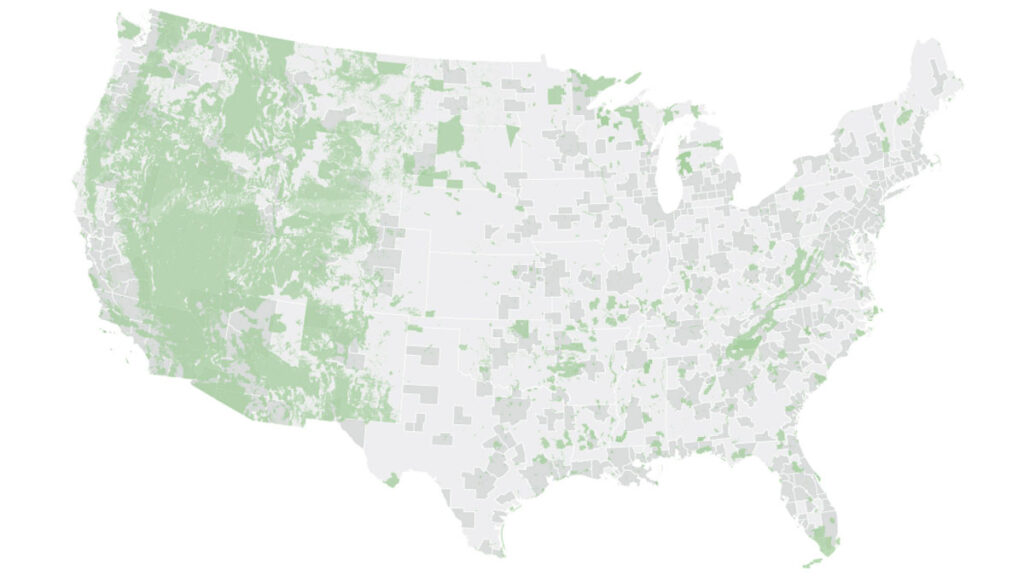
<p class="wp-block-paragraph">The U.S. government is the largest landowner in the country, controlling roughly 650 million acres—accounting for over a quarter of the nation’s total land. The Department of the Interior (DOI) manages approximately 500 million of these acres. However, much of this land is unsuitable for residential use due to environmental protections, remoteness, or existing land-use restrictions.</p>


<p class="wp-block-paragraph">A preliminary assessment by the American Enterprise Institute suggests that developing just 512,000 acres of Bureau of Land Management (BLM) land could produce between three to four million new homes. This would primarily impact states such as Nevada, Utah, California, and Arizona, where federal land is most abundant and housing shortages are particularly severe.</p>


<p class="wp-block-paragraph">Interior Secretary Doug Burgum and HUD Secretary Scott Turner jointly stated, &#8220;By working together, our agencies can assess underutilized federal properties, transfer or lease them to states or municipalities for housing needs, and support necessary infrastructure—all while prioritizing affordability.&#8221;</p>


<h3 class="wp-block-heading">Benefits and Potential Hurdles</h3>


<p class="wp-block-paragraph">While the plan could substantially increase housing supply, several logistical barriers exist. Many federally owned lands are located in rural regions with limited infrastructure. Developing these areas would require significant investments in roads, utilities, and public services. Additionally, state and local zoning regulations, environmental concerns, and community opposition (often referred to as NIMBYism) could delay progress.</p>


<p class="wp-block-paragraph">Senator Brian Schatz of Hawaii—where housing affordability is a major issue—acknowledged that &#8220;unlocking federal land for housing is a promising idea.&#8221; However, he cautioned that &#8220;housing policy is complex, and there’s no quick-fix solution that will instantly resolve the crisis.&#8221;</p>


<p class="wp-block-paragraph">Another concern is construction costs. While deregulation could lower expenses, other Trump policies, such as tariffs on imported goods, might drive up material prices. Furthermore, persistent labor shortages in the construction sector could slow the pace of large-scale projects.</p>


<p class="wp-block-paragraph">Jim Tobin, President of the National Association of Home Builders, noted, &#8220;You’re inevitably going to face resistance from those who oppose new housing developments in their areas because they don’t want increased congestion or competition for local amenities.&#8221;</p>


<h3 class="wp-block-heading">Where Could This Have the Biggest Impact?</h3>


<p class="wp-block-paragraph">Several metropolitan areas overlap with large portions of federal land while also facing critical housing shortages:</p>


<ul class="wp-block-list">
<li><strong>Las Vegas, NV</strong> – Federal land comprises 80% of Nevada, and existing programs have already supported some affordable housing developments. The Southern Nevada Public Land Management Act of 1998 facilitated the sale of public land to encourage residential expansion.</li>


<li><strong>Salt Lake City, UT</strong> – With over 73% of the region under federal ownership, there are significant opportunities for new housing projects.</li>


<li><strong>Phoenix, AZ</strong> – Roughly 51% of the area consists of federally controlled land, making it a prime candidate for expansion.</li>


<li><strong>San Francisco Bay Area, CA</strong> – While only 7.5% of the metro region is federal land, even modest developments could help alleviate severe housing shortages.</li>
</ul>


<p class="wp-block-paragraph">Conversely, in major urban centers like New York City, where federal land ownership is minimal (3.4%), the initiative is unlikely to produce a substantial impact.</p>


<h3 class="wp-block-heading">How Can Individuals and Builders Benefit?</h3>


<p class="wp-block-paragraph">If this initiative moves forward, it could present new opportunities for various stakeholders:</p>


<ul class="wp-block-list">
<li><strong>Prospective Homebuyers</strong> – Those seeking affordable housing in designated areas may find increased availability as developers break ground on federal land.</li>


<li><strong>Builders &; Developers</strong> – Construction firms could benefit from reduced land costs, relaxed zoning laws, and potential government incentives.</li>


<li><strong>Real Estate Investors</strong> – Those looking for new investment opportunities may find growth in regions where federal land is repurposed for housing.</li>


<li><strong>Local Governments</strong> – Cities and municipalities could apply for federal land transfers to spearhead their own housing initiatives.</li>
</ul>


<p class="wp-block-paragraph">Cynthia Seifert, founder of real estate seller leads platform KeyLeads, remarked, &#8220;For builders, fewer regulations mean lower construction costs, which could encourage more projects, leading to greater supply and stabilizing housing prices.&#8221;</p>


<h3 class="wp-block-heading">What’s the Expected Timeline?</h3>


<p class="wp-block-paragraph">The Trump administration has yet to establish a clear timeline for implementing federal land housing developments. A newly formed task force—managed jointly by HUD and the DOI—will be responsible for identifying suitable parcels and overseeing land transfers. Due to the complexity of land-use approvals, it could take several years before large-scale developments are completed.</p>


<p class="wp-block-paragraph">Historically, similar efforts to repurpose federal land for housing have faced bureaucratic delays due to environmental assessments, infrastructure requirements, and coordination with local governments. However, Trump’s administration has vowed to expedite regulatory processes and accelerate approvals wherever possible.</p>


<h3 class="wp-block-heading">The Bottom Line</h3>


<p class="wp-block-paragraph">Trump’s plan to build homes on federal land is among the most ambitious housing initiatives proposed in recent U.S. history. If successful, it could provide millions of new homes in high-demand regions. However, substantial challenges—including infrastructure limitations, regulatory hurdles, and environmental considerations—may slow its execution.</p>


<p class="wp-block-paragraph">For homebuyers, developers, and investors, this initiative presents new possibilities, though the full impact remains to be seen. The success of this strategy will depend on how effectively federal agencies, local governments, and private-sector players collaborate to bring these developments to fruition.</p>


<p class="wp-block-paragraph">As Scott Turner and Doug Burgum emphasized, &#8220;This initiative goes beyond just constructing homes—we aim to foster hope. Overlooked rural and tribal communities will be a priority. We are investing in America&#8217;s forgotten regions, and a future with more affordable housing is on the horizon.&#8221;</p>

Trump on Housing Shortage: Let’s Develop on Federal Land