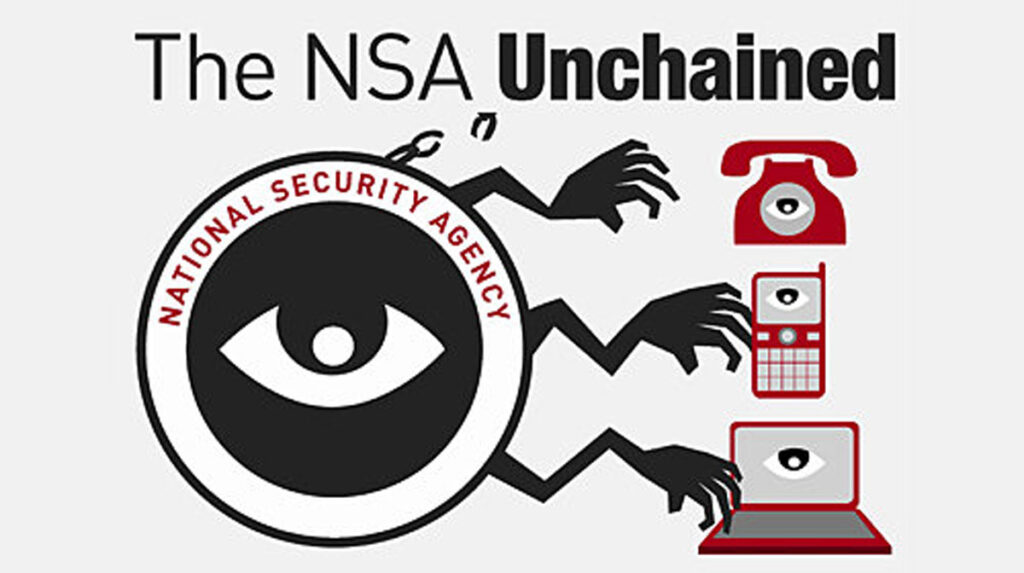
<p class="wp-block-paragraph">In the digital age, where personal data is bought and sold with ease, the need to protect the privacy of U.S. citizens from its own intelligence services has become a paramount concern. Recent revelations have shed light on the U.S. intelligence community&#8217;s extensive acquisition of Americans&#8217; personal information from various sources, raising valid apprehensions regarding the potential infringement on civil liberties. </p>


<p class="wp-block-paragraph">A newly released report, commissioned by Director of National Intelligence Avril Haines, calls for a comprehensive review of the intelligence gathering practices, urging a more cautious approach to the acquisition of commercially available information (CAI).</p>


<p class="wp-block-paragraph">The report highlights the critical nature of the data being collected, emphasizing that CAI encompasses highly sensitive details about individuals that were historically obtained only through targeted surveillance methods. It underscores the urgent need for the intelligence community to develop refined approaches that strike a delicate balance between national security and the protection of citizens&#8217; constitutional rights.</p>


<p class="wp-block-paragraph">Private-sector contracts utilized by the government to access personal data are brought to the forefront in the report. It reveals that certain agencies have contracted with external entities to gain access to individuals&#8217; data for various purposes. While such collaborations may have legitimate intentions, they raise legitimate concerns about the potential erosion of privacy safeguards and the impact on individual freedoms.</p>


<p class="wp-block-paragraph">Director Haines&#8217; commitment to transparency and sharing information with the American people is commendable. However, Senator Ron Wyden and other lawmakers have rightfully voiced concerns over the lack of oversight and legal protections surrounding the acquisition of personal data. They argue that stronger safeguards are necessary to ensure that government surveillance does not encroach upon the rights of U.S. citizens. The potential abuse of acquired data and its vulnerability to foreign adversaries further underscores the need for comprehensive legislation and clear guidelines to govern these practices.</p>


<p class="wp-block-paragraph">Senator Wyden and his colleagues advocate for a legislative approach to address these concerns. Their proposed bipartisan legislation aims to restrict the acquisition of Americans&#8217; personal data by foreign adversaries and calls for the establishment of robust safeguards. Recognizing the need to strike a balance between security and privacy, they seek to define clear restrictions on the export of data, protecting citizens&#8217; information and guarding against potential misuse.</p>


<p class="wp-block-paragraph">It is crucial to remember that the principles enshrined in the Constitution, such as the protection against unreasonable searches and seizures, form the bedrock of American democracy. As the intelligence community navigates the complexities of the digital era, it must do so with utmost respect for these constitutional traditions and societal expectations. The acquisition of personal data should never be a means to compromise the privacy and civil liberties of U.S. citizens.</p>


<p class="wp-block-paragraph">It is essential that the intelligence community recognizes and addresses the concerns surrounding the acquisition of Americans&#8217; personal data. Striking a balance between national security imperatives and the protection of civil liberties is of utmost importance. By implementing robust safeguards, adhering to legal frameworks, and fostering transparency, we can ensure that intelligence gathering practices respect the privacy and rights of every individual, thus upholding the fundamental principles upon which our nation was founded.</p>


<p class="wp-block-paragraph"><strong>Editor&#8217;s note</strong>: What business do the CIA, NSA or other U.S. intelligence service have gathering data about U.S. citizens? Theoretically (perhaps not more than that right now), they should not operate against U.S. &#8220;persons&#8221; at all. The FBI is the federal government&#8217;s investigatory body inside the U.S. and they are required to use due process. That means warrants issued by judges. The wholesale gathering of personal data of U.S. citizens is wrong on every level. </p>

The Intrusion Within: Unveiling the Extent of U.S. Intelligence Agencies’ Data Gathering on American Citizens