<p class="wp-block-paragraph">In the vast landscape of Russia, where surveillance and control have been woven into the fabric of society for decades, the digital age has opened up new avenues for tracking, censoring, and controlling citizens. President Vladimir Putin&#8217;s government has embraced digital technology as a means to monitor and manipulate the population, creating what some refer to as a &#8220;cyber gulag&#8221; reminiscent of the labor camps that held political prisoners during Soviet times.</p>


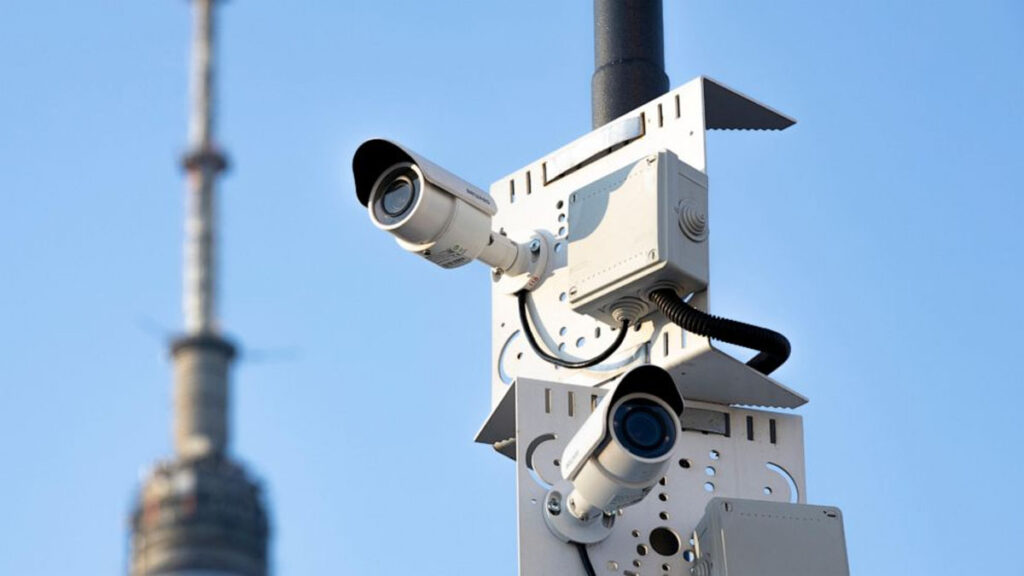
<p class="wp-block-paragraph">One of the most visible forms of surveillance in Russia is the extensive network of security cameras equipped with facial recognition technology. These cameras are omnipresent in public spaces, from subway stations to residential buildings, and are used to identify and track individuals. Yekaterina Maksimova, a journalist and activist, has experienced firsthand the consequences of this surveillance system. &#8220;It seems like I’m in some kind of a database,&#8221; she said. Detained multiple times in the past year, she suspects that her presence triggered the cameras, landing her in a mysterious database that the authorities have access to.</p>


<p class="wp-block-paragraph">But it&#8217;s not just physical surveillance that Russians have to contend with. The government has also tightened its grip on the digital realm. In response to the coordinated online protests of 2011-12, authorities implemented stricter internet controls. Websites have been blocked, and telecommunication and internet service providers are required to store call records and messages, sharing the information with security services when deemed necessary. The government has also attempted to compel tech giants like Google, Apple, and Facebook to store user data on Russian servers, with limited success. Plans to create a &#8220;sovereign internet&#8221; that can be isolated from the rest of the world are also in the works.</p>


<p class="wp-block-paragraph">“The Kremlin has indeed become the beneficiary of digitalization and is using all opportunities for state propaganda, for surveilling people, for de-anonymizing internet users,” said Sarkis Darbinyan, attorney at Roskomsvoboda, a Russian internet freedom group which the the Kremlin deems a “foreign agent.”</p>


<p class="wp-block-paragraph">The invasion of Ukraine in February 2022 further fueled online censorship and prosecutions. Antiwar sentiment was effectively criminalized through a new law that outlaws &#8220;spreading false information&#8221; or &#8220;discrediting&#8221; the army. As a result, over 610,000 web pages were blocked or removed by authorities in 2022, and 779 people faced criminal charges over online comments and posts. Social media platforms like VKontakte, Facebook, Twitter, Instagram, and Telegram have all been targeted, with users facing prosecution for their online activities. Even users outside Russia have not been spared, as the platforms were blocked within the country but still subject to legal action against their users.</p>


<p class="wp-block-paragraph">The Russian government&#8217;s crackdown on online content shows no signs of abating. Artificial intelligence systems, such as the recently launched Oculus, are being deployed to monitor online photos, videos, and text materials for banned content. These systems can analyze an unprecedented number of images per day, far surpassing what humans can accomplish. The introduction of such systems raises concerns among rights advocates about the expansion of online censorship and the lack of transparency surrounding their operation and regulation. Furthermore, there are indications that the government is developing bots to infiltrate social media groups for surveillance and propaganda purposes, further amplifying its control over online spaces.</p>


<p class="wp-block-paragraph">Russia&#8217;s digital surveillance state is often compared to China&#8217;s Great Firewall, where digital surveillance is pervasive and dissent is stifled. While Russia&#8217;s measures may not be as extensive as China&#8217;s, the Kremlin&#8217;s online crackdown is gaining momentum and steadily eroding digital freedoms. With plans to create a comprehensive online register for military service and the potential expansion of online censorship through artificial intelligence systems, there are concerns that Russia is building a system of total digital surveillance, coercion, and punishment. As the boundaries between the physical and digital realms blur, the cyber gulag envisioned by critics seems to be taking shape, casting a shadow over the future of Russian society.</p>

The Cyber Gulag: Russia’s Orwellian Landscape of Digital Surveillance