<p class="wp-block-paragraph"><em>How the brightest minds in America are struggling with books, and what that says about our education system</em></p>


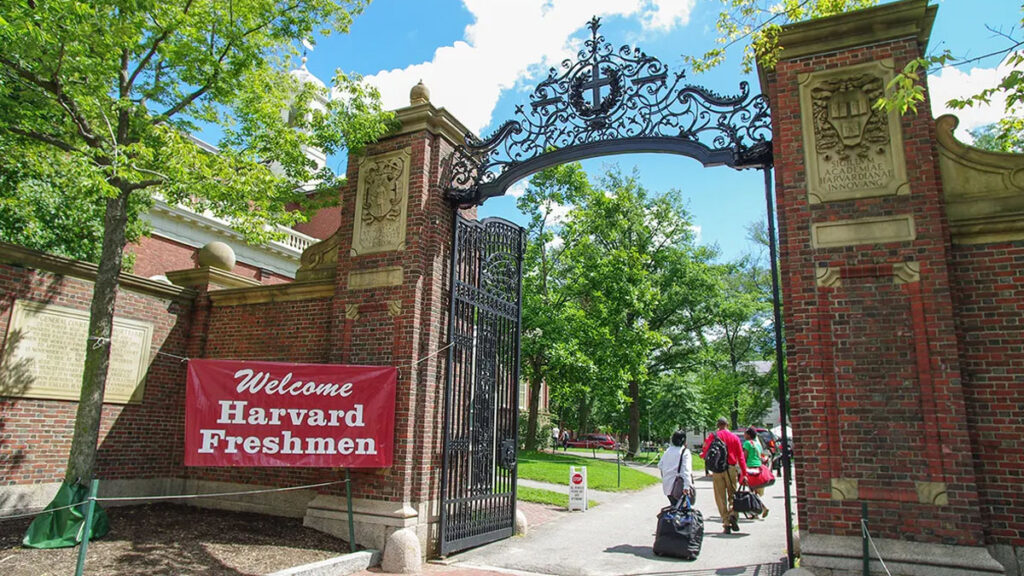
<p class="wp-block-paragraph">Let’s start with the part that sounds like the setup to a bad joke: What do Harvard, Columbia, and Georgetown have in common? If you said “elite academic excellence,” you’d be half right. The other half? They’re offering remedial help for students who don’t know how to read. Not illiterate in the strictest sense, of course, but many of them struggle to finish entire books, analyze long texts, or even get through a sonnet without spacing out. Welcome to higher education, 2025-style.</p>


<h4 class="wp-block-heading">Wait&#8230; These Kids Got Into Ivy League Schools?</h4>


<p class="wp-block-paragraph">It sounds like satire, but it’s not. Columbia students are overwhelmed by the thought of reading multiple books in a semester. Harvard students are flunking basic math and taking year-long remedial courses to catch up on algebra and geometry. These are the same schools that reject 97 percent of applicants. So how, exactly, are students who can&#8217;t read Tolstoy—or even finish <em>The Iliad</em>—ending up in classrooms that were once known for academic rigor?</p>


<p class="wp-block-paragraph">A big part of the answer lies in the decline of standardized testing. During the pandemic, colleges scrapped SAT and ACT requirements in the name of equity. And while that move may have been well-intentioned, it also meant that admissions officers had no objective way to evaluate reading and math skills. As a result, kids who never read a full book in high school are now sitting in great-books seminars at Columbia—looking utterly bewildered.</p>


<h4 class="wp-block-heading">The Reading Crisis on Campus</h4>


<p class="wp-block-paragraph">This problem isn’t isolated to one or two schools. Professors across top universities report the same trend: students arriving with less vocabulary, lower comprehension, and even less attention span. Literature instructors are cutting their syllabi in half. Some no longer assign full novels—just excerpts and short stories—because students “aren’t going to do it.” Georgetown’s English department chair says his students can’t stay focused through a 14-line poem.</p>


<p class="wp-block-paragraph">If that doesn&#8217;t scream crisis, consider this: one Columbia professor found that many students had <em>never</em> read an entire book before college. Not in middle school, not in high school. Just articles, summaries, and little snippets between TikTok breaks.</p>


<h4 class="wp-block-heading">Deep Reading vs. Deep Distraction</h4>


<p class="wp-block-paragraph">Blame it on smartphones if you want &#8211; and you&#8217;d be right, at least partly. Today’s students are bombarded with endless digital content. Compared to the instant gratification of scrolling, a novel feels like running a marathon in snowshoes. Deep reading requires patience, focus, and effort. But the modern brain, rewired by social media, craves speed and simplicity.</p>


<p class="wp-block-paragraph">One professor compared reading a novel to listening to vinyl records: charming in theory, irrelevant in practice. Except here’s the problem, deep reading isn’t just a pleasant hobby. It&#8217;s how people build critical thinking, empathy, creativity, and discipline. And without those skills, even the smartest student is left grasping at shallow takes and surface-level understanding.</p>


<h4 class="wp-block-heading">Can Students Be Taught to Read Again?</h4>


<p class="wp-block-paragraph">There is a glimmer of hope. Some professors are fighting back, launching rigorous reading courses with full-length novels, weekly lectures, and no shortcuts. At the University of Colorado, a visiting professor is recreating a survey course straight out of 1941: from <em>Don Quixote</em> to James Joyce, one novel a week. The idea is simple &#8211; set the bar high, and students will rise to meet it.</p>


<p class="wp-block-paragraph">That might sound naïve, but there’s historical precedent. In 2018, a professor at Hillsdale College recreated a nearly 6,000-page reading list from a 1941 course. It became wildly popular. Students printed shirts saying “I Survived the Auden Course.” They didn’t just endure it &#8212; they loved it.</p>


<p class="wp-block-paragraph">The key isn’t to water down expectations, but to reawaken the belief that reading matters. That novels aren’t just old-fashioned relics but powerful tools for understanding the human condition.</p>


<h4 class="wp-block-heading">So&#8230; Who’s to Blame?</h4>


<p class="wp-block-paragraph">Plenty of fingers can be pointed. Public schools shifted from whole books to short excerpts, all in the name of test prep. Private schools followed suit. Bureaucrats judged course quality with surveys instead of content. Some educators lost faith in the value of the Western canon, seeing literature as just another relic of oppression.</p>


<p class="wp-block-paragraph">But the result has been the same: students with Ivy League résumés who read at a middle school level and need baby steps through freshman year.</p>


<p class="wp-block-paragraph">And while pandemic learning loss gets blamed a lot, this was a long time coming. Technology sped it up. Bad policies cemented it. And now colleges are playing catch-up—sometimes literally—with remedial classes at the most elite schools in the world.</p>


<h4 class="wp-block-heading">Smart on Paper, Lost on the Page</h4>


<p class="wp-block-paragraph">It’s easy to poke fun at Harvard kids who can’t do algebra or Columbia freshmen who panic at <em>Pride and Prejudice</em>. But the truth is more serious: we’ve built an education system that favors appearances over substance. Fancy essays, inflated GPAs, and polished applications hide the fact that too many students were never given the chance—or challenge—to become real readers.</p>


<p class="wp-block-paragraph">Reading isn’t just about passing classes. It’s how people develop judgment, insight, and imagination. It’s how civilizations pass down knowledge and build empathy across generations. And right now, too many of our brightest minds are missing out on all of that.</p>


<p class="wp-block-paragraph">The future of education might not depend on the next tech innovation or equity program. It might just depend on whether a college freshman can sit still long enough to finish <em>Crime and Punishment</em>—and actually understand it.</p>


<p class="wp-block-paragraph"></p>

Ivy League Students Need Remedial Reading?