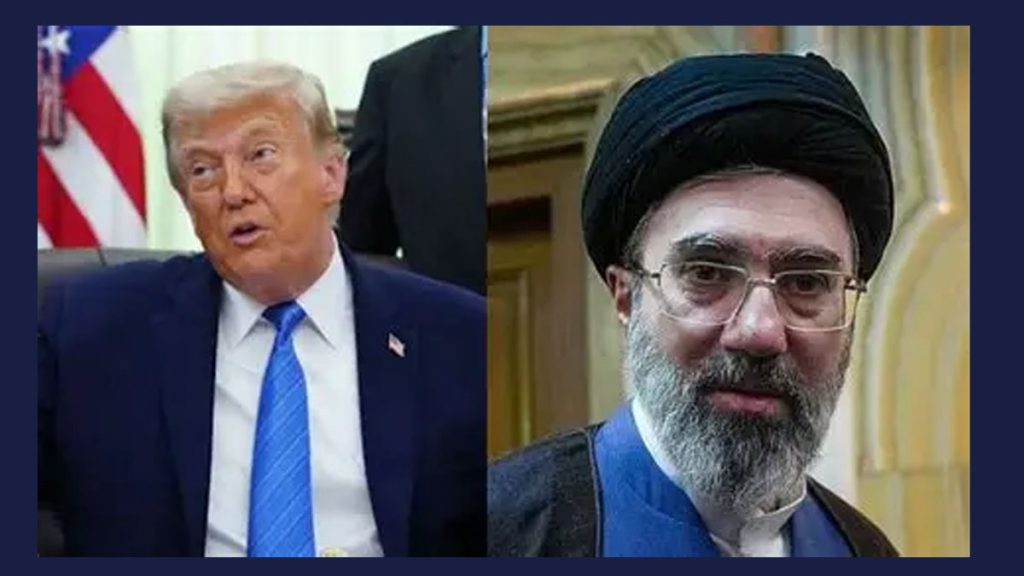
<p class="wp-block-paragraph">Iran&#8217;s Supreme National Security Council has now publicly confirmed that Tehran and Washington have finalized a memorandum of understanding intended to end the war and begin a new diplomatic process. According to statements from Iranian officials, Pakistani mediators, U.S. officials, and multiple reports, the agreement establishes an immediate halt to military operations and creates a 60-day window to negotiate the much more difficult issues that remain unresolved.</p>


<p class="wp-block-paragraph">While supporters of the agreement are celebrating it as a breakthrough, even many advocates acknowledge that this is only the beginning of a much larger negotiation. The framework appears to stop the fighting for now, but key questions surrounding Iran&#8217;s nuclear program, sanctions relief, enriched uranium stockpiles, and long-term security arrangements remain unsettled.</p>


<p class="wp-block-paragraph">The breakthrough comes after 107 days of war and extended negotiations involving U.S., Iranian, Pakistani, and Qatari officials. Pakistan and Qatar played central roles in mediating discussions that ultimately produced the memorandum of understanding.</p>


<p class="wp-block-paragraph">Iran&#8217;s Supreme National Security Council announced that military operations across all fronts, including Lebanon, would cease &#8220;immediately and permanently.&#8221; Iranian officials also confirmed that the text of the memorandum had been finalized after a final round of negotiations. Pakistan&#8217;s Prime Minister Shehbaz Sharif declared that a peace deal had been reached, while President Donald Trump announced that he was authorizing the removal of the U.S. naval blockade and supporting the reopening of the Strait of Hormuz.</p>


<p class="wp-block-paragraph">The formal signing ceremony is reportedly scheduled for June 19 in Switzerland.</p>


<p class="wp-block-paragraph"><strong>What We Know About the Memorandum of Understanding</strong></p>


<p class="wp-block-paragraph">Although the full text has not been released, public statements provide a reasonably clear picture of the major components.</p>


<p class="wp-block-paragraph"><strong>1. Immediate End to Military Operations</strong></p>


<p class="wp-block-paragraph">The most important provision is the immediate cessation of hostilities. Iran says military operations across all fronts will stop permanently beginning Sunday night. The ceasefire also extends to fighting involving Hezbollah in Lebanon.</p>


<p class="wp-block-paragraph"><strong>2. Removal of the U.S. Naval Blockade</strong></p>


<p class="wp-block-paragraph">Iran says the U.S. naval blockade of Iranian ports will be lifted in full. Trump likewise announced the immediate removal of the blockade. This represents one of Tehran&#8217;s most important demands during the negotiations.</p>


<p class="wp-block-paragraph"><strong>3. Reopening the Strait of Hormuz</strong></p>


<p class="wp-block-paragraph">Both sides have indicated that restoring shipping through the Strait of Hormuz is a central goal of the agreement. Before the war, roughly 20 percent of global oil and liquefied natural gas shipments passed through the strait. Reopening this critical waterway is one of the deal&#8217;s most immediate economic objectives.</p>


<p class="wp-block-paragraph"><strong>4. Beginning Nuclear Negotiations</strong></p>


<p class="wp-block-paragraph">The agreement does not settle the nuclear issue. Instead, it creates a process for negotiating Iran&#8217;s nuclear future during the next 60 days. Discussions are expected to focus on nuclear enrichment, monitoring programs, and the disposition of Iran&#8217;s highly enriched uranium stockpile.</p>


<p class="wp-block-paragraph"><strong>5. Future Discussions on Sanctions Relief</strong></p>


<p class="wp-block-paragraph">The framework reportedly opens discussions on sanctions relief and access to frozen Iranian funds. However, U.S. officials have indicated that sanctions relief would be tied to Iranian compliance with future commitments rather than granted immediately.</p>


<p class="wp-block-paragraph"><strong>6. Technical Nuclear Arrangements</strong></p>


<p class="wp-block-paragraph">According to reports, negotiators will attempt to develop a technical agreement covering how Iran&#8217;s highly enriched uranium will be down-blended, how enrichment activities will be frozen, and how future monitoring mechanisms would operate.</p>


<p class="wp-block-paragraph"><strong>What Happens to the Naval Blockade and Shipping?</strong></p>


<p class="wp-block-paragraph">On paper, the blockade is ending immediately. In practice, restoring normal shipping may take longer.</p>


<p class="wp-block-paragraph">Several analysts caution that reopening the Strait of Hormuz is not as simple as issuing a declaration. Mine-clearing operations may be required. Damaged infrastructure must be repaired. Security guarantees will need to be established to convince shipping companies and insurers that vessels can safely transit the waterway.</p>


<p class="wp-block-paragraph">As a result, maritime traffic may increase gradually rather than returning overnight to pre-war levels.</p>


<p class="wp-block-paragraph"><strong>The Importance of the 60-Day Window</strong></p>


<p class="wp-block-paragraph">The heart of the agreement is the 60-day negotiation period.</p>


<p class="wp-block-paragraph">Rather than resolving every dispute immediately, both sides have essentially agreed to stop fighting while negotiators attempt to tackle the hardest issues. During these two months, officials are expected to work on:</p>


<ul class="wp-block-list">
<li>Iran&#8217;s future uranium enrichment activities</li>


<li>Disposal or down-blending of enriched uranium</li>


<li>Nuclear monitoring and verification measures</li>


<li>Sanctions relief mechanisms</li>


<li>Access to frozen Iranian funds</li>


<li>Long-term arrangements governing the Strait of Hormuz</li>


<li>Broader regional security issues</li>
</ul>


<p class="wp-block-paragraph">Many analysts believe these topics are substantially more difficult than negotiating the ceasefire itself.</p>


<p class="wp-block-paragraph">President Trump told The New York Times that military strikes against Iran could resume if a nuclear agreement is not reached by the expiration of the 60-day period. The deadline would fall around August, only months before the U.S. midterm elections.</p>


<p class="wp-block-paragraph">Analysts also warn that without a follow-on agreement, the memorandum could become unstable. Several experts describe the current arrangement as temporary and potentially unsustainable if the major disputes remain unresolved.</p>


<p class="wp-block-paragraph"><strong>Who Is Concerned and Why?</strong></p>


<p class="wp-block-paragraph">Several groups have expressed concerns about different aspects of the agreement.</p>


<p class="wp-block-paragraph"><strong>Iranian Leadership</strong></p>


<p class="wp-block-paragraph">Iranian officials remain wary of U.S. commitments. Historical distrust, including America&#8217;s withdrawal from the 2015 nuclear agreement, continues to influence Tehran&#8217;s calculations. Iranian leaders also insist that implementation of commitments by the other side must occur before negotiations on a final agreement proceed.</p>


<p class="wp-block-paragraph"><strong>Republican Hawks</strong></p>


<p class="wp-block-paragraph">Some supporters of a hard-line policy toward Iran worry that the war could end without fully resolving the nuclear question. Senator Lindsey Graham voiced concern that Iranian and American interpretations of the agreement may differ significantly. He wrote that he was &#8220;somewhat concerned that Iran&#8217;s view of the agreement seems different than what the American negotiating team is claiming.&#8221;</p>


<p class="wp-block-paragraph"><strong>Democrats</strong></p>


<p class="wp-block-paragraph">Democratic lawmakers have demanded more transparency. Representative Seth Moulton criticized the arrangement as a poor return on the enormous costs of the war, while Representative Gregory Meeks argued that Americans deserve &#8220;clear answers&#8221; about the agreement&#8217;s contents and objectives.</p>


<p class="wp-block-paragraph"><strong>Israel</strong></p>


<p class="wp-block-paragraph">Several analysts suggest Israeli leaders remain skeptical of any agreement that leaves unresolved nuclear issues. Some experts believe Israel may oppose future concessions if it views them as overly favorable to Tehran.</p>


<p class="wp-block-paragraph"><strong>Energy Markets and Global Allies</strong></p>


<p class="wp-block-paragraph">European governments, energy traders, and shipping companies are focused on whether the Strait of Hormuz truly reopens and remains secure. Their concern is not merely the signing ceremony but whether shipping can resume safely and consistently.</p>


<p class="wp-block-paragraph"><strong>Oil Prices Respond Positively</strong></p>


<p class="wp-block-paragraph">Financial markets reacted favorably to news of the agreement.</p>


<p class="wp-block-paragraph">Oil prices fell following the announcement as traders anticipated the reopening of the Strait of Hormuz and the return of disrupted energy flows. However, analysts caution that prices remain elevated compared to prewar levels because significant uncertainty persists. Markets still need proof that shipping can resume safely and that the ceasefire will hold. Risk premiums related to mines, drones, infrastructure damage, and the possibility of renewed conflict have not disappeared.</p>


<p class="wp-block-paragraph"><strong>A Deal in Principle, Not Yet a Lasting Peace</strong></p>


<p class="wp-block-paragraph">The emerging picture is that both Washington and Tehran have reached an agreement in principle rather than a comprehensive settlement. The memorandum ends active hostilities, removes immediate pressure from global energy markets, and opens the door to diplomacy. At the same time, it postpones the most difficult disputes to a 60-day negotiating period that many observers believe will be extraordinarily challenging.</p>


<p class="wp-block-paragraph">For now, the guns have largely fallen silent, the Strait of Hormuz appears headed toward reopening, and both sides are claiming success. Whether this fragile framework evolves into a durable peace or merely becomes a pause before another confrontation may depend on what happens during the next two months of negotiations.</p>


<p class="wp-block-paragraph"><strong>PB Editor: </strong> Iran has proven untrustworthy in pretty much every deal they have ever made. If verification measures fall short, Iran will pursue nuclear weapons and we will have to start over.</p>


<p class="wp-block-paragraph"></p>

Iran and U.S. Reach Fragile Peace Framework After 107-Day War