<p class="wp-block-paragraph">In previous commentaries, I analyzed the outcome of the presidential debate in terms of the combatant’s performances and the potential impact on the course of their campaigns. ; In a nutshell, Trump was the big winner largely because Biden was the big loser – although Trump did better than expected in maintaining his cool.</p>


<p class="wp-block-paragraph">To better understand the outcome of the debate, it is necessary to understand how it came to be.</p>


<p class="wp-block-paragraph">This was the earliest presidential debate in American history – taking place months before the traditional presidential debates and even before President Trump and President Biden were the official nominees of their respective parties. ;</p>


<p class="wp-block-paragraph">Since the debate was proposed by the Biden team, the first question is why did they want to debate – and why at this time? ; Also, why the specific rules?</p>


<p class="wp-block-paragraph">The decision to propose a debate was a reversal of the Biden campaign’s original strategic plan to NOT debate. ; The message was that Biden did not to give Trump a platform for his theatrics and mendacious arguments. ; That strategy was replaced by the new strategy – the debate strategy.</p>


<p class="wp-block-paragraph">It appears that Team Biden wanted an early debate to change the status of the race. For many months, polling indicated that Biden and Trump were locked in a close contest – with Trump maintaining a slim but consistent lead, especially in the all-important battleground states. The theory was that a good performance in an early debate would change that trajectory – and a poor performance would provide a long recovery period. </p>


<p class="wp-block-paragraph">In many ways, the campaign was in the doldrums – with very little up or down movement from week to week. ; The theory was that a debate would do what they hoped and predicted the State of the Union Speech would have done but did not. ; That was to dispel concerns about Biden’s age and move him into the lead.</p>


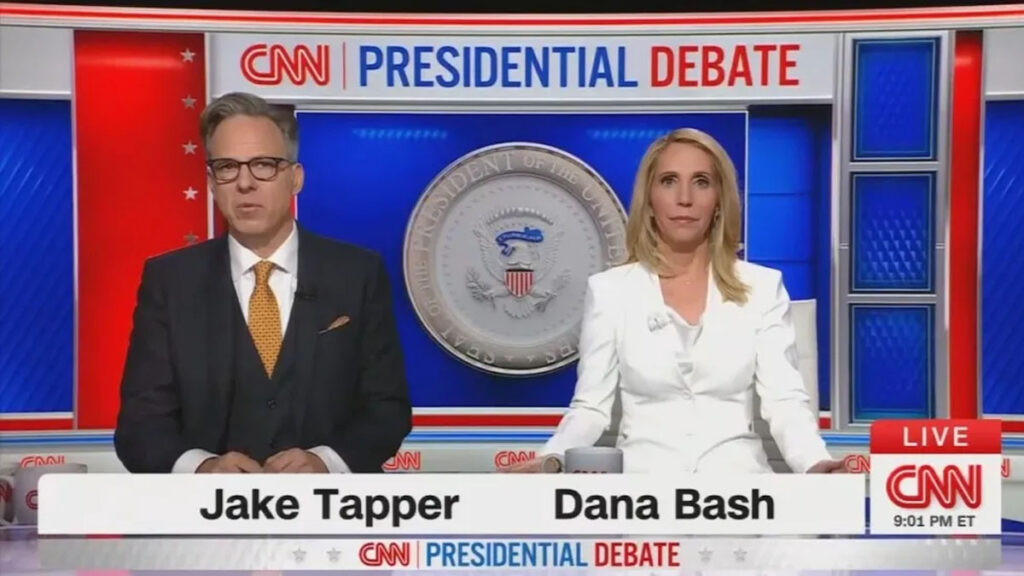
<p class="wp-block-paragraph">In proposing the debate, Biden’s people set rules that they viewed as unfavorable to Trump – no audience, silencing mics and hosting by network and moderators – Jake Tapper and Dana Bash – who were believed to be generally hostile to Trump based on their reporting. Team Biden saw political benefit in the debate proposal whether Trump accepted or rejected the offer.</p>


<p class="wp-block-paragraph">In fact, Trump quickly accepted the offer without any serious negotiation. ; At the time, many thought that was a mistake. ; According to some reports, Trump was eager to debate and felt that any tough negotiation would squelch the deal.</p>


<p class="wp-block-paragraph">A lot of political pundits believed the rules would play against Trump. ; That was the intention. ; They theorized that he would not perform as well without the energy of an audience. ; And muting the mics would inhibit Trump’s habit of speaking over the competition.</p>


<p class="wp-block-paragraph">As it turned out, the rules played out to Trump’s advantage. ; He did not seem affected by the lack of an audience. ; The muting of the mics kept him from overdoing his responses or talking over Biden.</p>


<p class="wp-block-paragraph">The restrictions on the moderators – and their adherence to the rule – prevented the type of biased participation that marred past debates that were less fair and more controversial. ; Trump and Biden could be judged on their own performances.</p>


<p class="wp-block-paragraph">In terms of the staging, the rules and the conduct of the moderators, I judge this as the best presidential debate format in recent years.</p>


<p class="wp-block-paragraph">So, there ‘tis.</p>

How did the debate format affect the outcome?