

















Fetterman Rebukes Fellow Democrats for Extremist Language
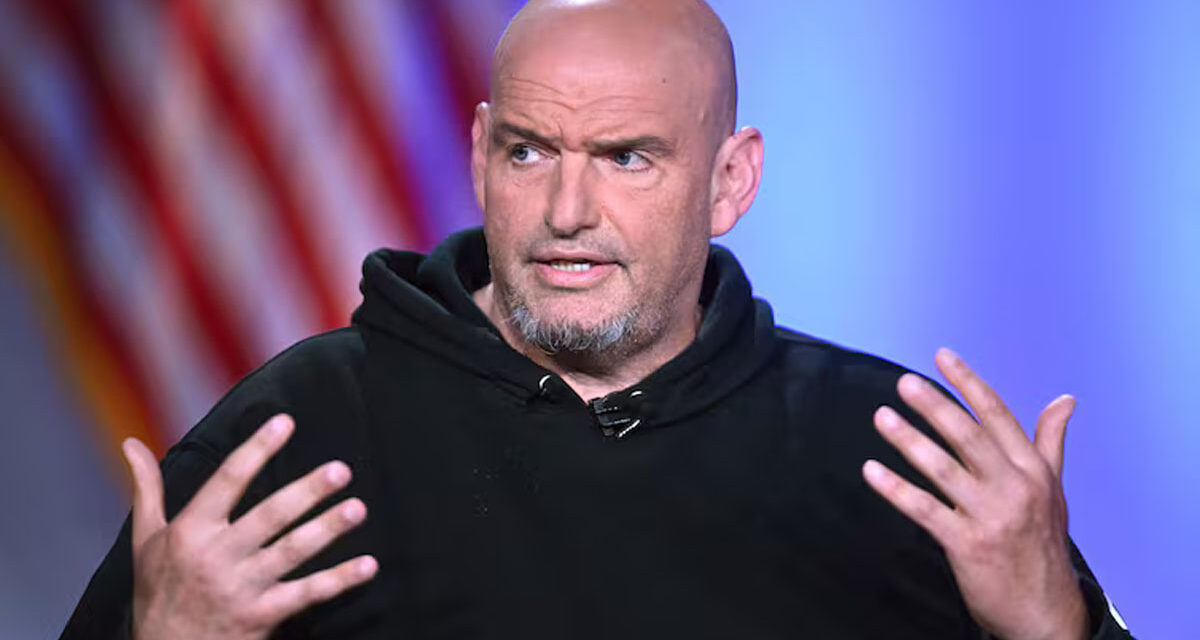
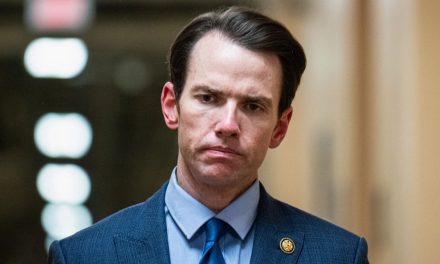
In a rare moment of political candor, Pennsylvania’s Democrat Senator John Fetterman has forcefully rebuked his own party for using extreme rhetoric—likening President Trump and Republicans to Hitler, Nazis, fascists, and authoritarians. He warned that such language is not only inaccurate but politically damaging.
Speaking at the Kennedy Center, Fetterman declared, “I know and I love people who voted for President Trump. They are NOT fascists. They’re NOT Nazis. They’re NOT trying to destroy the Constitution.” His voice broke as he implored Democrats to “turn the temperature down” and reject political hatred in the wake of violent incidents like the assassination of conservative activist Charlie Kirk.
In interviews and public appearances, Fetterman has doubled down on his position. On Fox News, he stated, “I don’t believe anyone should be compared to Hitler. Just look at what happened to Charlie Kirk. We must be cautious in comparing individuals to history’s worst monsters.” He also criticized the party’s tendency to “shame and scold” voters, saying, “How can you vote for that?” when referring to the condescending tone Democrats often take toward Trump supporters.
Fetterman’s comments stand in stark contrast to the prevailing tone among many Democratic leaders. For example, in 2022, President Joe Biden referred to “MAGA Republicans” as representing “semi-fascism,” a term that drew widespread criticism for its inflammatory nature. Vice President Harris replied “yes” when asked if she thought Trump was a fascist. Similarly, Representative Alexandria Ocasio-Cortez has repeatedly warned that Trump’s movement is “authoritarian” and poses an existential threat to democracy. House Minority Leader Hakeem Jeffries once described Trump as “the Grand Wizard of 1600 Pennsylvania Avenue,” invoking imagery associated with the Ku Klux Klan.
As ridiculous as it may seem, the mendacious narrative that Trump and the GOP are a threat to American democracy has been a mainstay political theme for more than eight years. The only change is that the rhetoric has become more heated and extreme in recent years.
These comparisons, while intended to galvanize the Democratic base, appear to have backfired. In the 2024 presidential election, Trump secured a decisive victory, flipping every key battleground state and outperforming expectations among working-class and minority voters. Many analysts now argue that the Democrats’ apocalyptic messaging—suggesting that democracy itself would collapse under another Trump term—was not only hyperbolic but alienating to many moderate and independent voters.
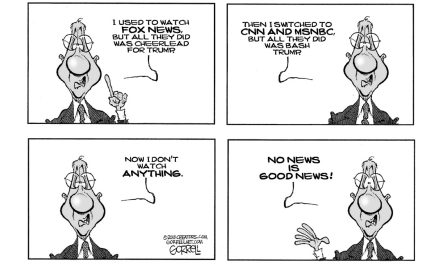
Fetterman’s critique is especially notable because it has been largely ignored by left-leaning media outlets. Despite the gravity of his remarks, major networks like MSNBC and CNN have offered little to no coverage, while progressive publications have sidestepped the issue entirely. This media silence underscores a broader unwillingness within the Democratic establishment to confront internal dissent or recalibrate its messaging strategy.
Despite these warnings, Democrats continue to intensify their rhetoric. Campaign ads and speeches ahead of the 2026 midterms are already echoing the same dire warnings about authoritarianism and the end of democracy. Yet polling suggests that this strategy may once again backfire. While Democrats are still strongly favored to retake the House (by my estimation), the gap is narrowing. Voters appear increasingly skeptical of alarmist narratives that lack nuance or factual grounding.
The question now is whether Democrats will heed Fetterman’s advice or double down on a strategy that has already shown signs of political fatigue. If they continue to rely on exaggerated comparisons and moral panic, they may well again alienate the very voters they need to win back—especially in battleground congressional districts where swing voters value pragmatism over partisanship.
In a political climate where trust is fragile and polarization is high, Fetterman’s call for restraint and empathy offers a rare moment of clarity. Whether his party listens may well determine the outcome of the 2026 elections—and the future of its credibility.
So, there ‘tis.





His party has left him. It’s time for him to move on. We need him on the Republican side
I never expected to actually like him. But he seems to be the last of the old time democrats. And while I didn’t agree with their way of trying to achieve their goals I could at least relate to and understand their goals. These new ones seem out to destroy our country. Not represent her citizens. The rhetoric is awful and divisive to the Nth degree. And our side is almost as bad at times. But our side is righteously angry while their side is gnashing their teeth and throwing fits like children. I don’t know about anyone else but I worry for my country.
Who woulda thought he would be the first reasonable democrat in a generation?
Fetterman is known to be an anomaly among Democrat voices. Leave it to Horist and his odd commentary on Fetterman’s comments which were unremarkable considering his history.
Low lying Democrat fruit is easy pickings for the opportunistic few attempting credible journalism and failing.