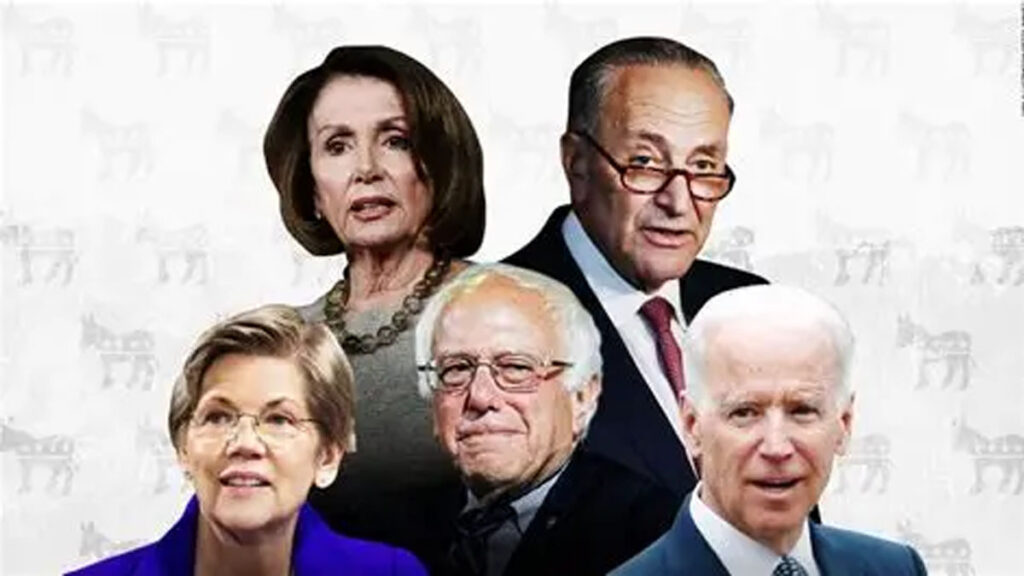
<p class="wp-block-paragraph">When Jerry Nadler announced his retirement this week, he opted to directly address a question that’s been roiling the Democratic Party since Joe Biden’s withering debate performance last year: How old is too old to run for office?</p>


<p class="wp-block-paragraph">The 78-year-old congressmember cited his age as a factor in his departure plans from a safe seat in New York City. And in doing so, he earned praise from some of the party’s younger agitators — though based on interviews, it’ll take more than a handful of elderly lawmakers like Nadler heeding their calls to step aside to repair the intra-party rift.</p>


<p class="wp-block-paragraph">As it is, the ;vast majority ;of Democrats who are 70 or older are publicly running for another House term. Against that backdrop, a trend of acknowledging the party’s age problem is beginning to emerge, even as other senior members of the party are likely to stay put.</p>


<p class="wp-block-paragraph">Four House Democrats, including Nadler, and four Senate Democrats over the age of 65 have said this year that they are stepping down from Congress. A fifth House Democrat said he would retire from his home district if Texas&#8217;s proposed redistricting maps survive legal challenges. Democrats believe even more departures could be coming with a government shutdown deadline looming and lawmakers evaluating their futures after returning from their August recess.</p>


<p class="wp-block-paragraph">“These retirements are a great example of maturity from these leaders to make the difficult decision for them of knowing even after you’ve served somewhere for decades that it’s time for somebody else to lead,” Leaders We Deserve co-founder David Hogg said in an interview, specifically responding to Nadler’s news.</p>


<p class="wp-block-paragraph">But 25-year-old Hogg, who has become a leading voice for generational change within his party, also pledged to continue his plan to financially support some candidates who challenge older incumbent Democrats.</p>


<p class="wp-block-paragraph">“There is still more of a need for us to bring in some fresh blood into this party and help rejuvenate it,” he said, “and show people how the party is changing in the wake of a pretty major loss last election cycle.”</p>


<p class="wp-block-paragraph">Hoag sees a party in turmoil that needs generational change. Only one House member is in his 20s, and the vast majority of older congressional members are expected to run for reelection.</p>


<p class="wp-block-paragraph">Nadler and a few other Democratic representatives would seem to agree. He told the NY Times, ; “watching the Biden thing really said something about the necessity for generational change in the party, and I think I want to respect that.&#8221; Illinois Rep. Jan Schakowsky, 81, announced in the spring she wouldn&#8217;t seek reelection, saying, &#8220;It is now time for me to pass the baton,&#8221; and she praised the “new voices” like Hogg, so sharp, so articulate, so self-assured. It&#8217;s wonderful.&#8221;</p>


<p class="wp-block-paragraph">As Democrats search for a path out of the political wilderness, they have faced a push for fresh faces from voters and activists who have urged their leaders to mount a more visible resistance to President Donald Trump. The impatience from younger Democrats has led several primary challengers to attempt to turn incumbents’ age into a liability. Three House Democrats have died in office this year, further fueling the contentious debate on the left.</p>


<p class="wp-block-paragraph">&#8220;The boomer generation has held on to some of these seats for a long time,&#8221; said New York City-based Democratic strategist Evan Thies. &#8220;And we saw in the last election that even very accomplished, highly competent and productive elected officials are now at risk of not winning their elections simply because they’re older.”</p>

Do the Democrats Have an Age Problem?