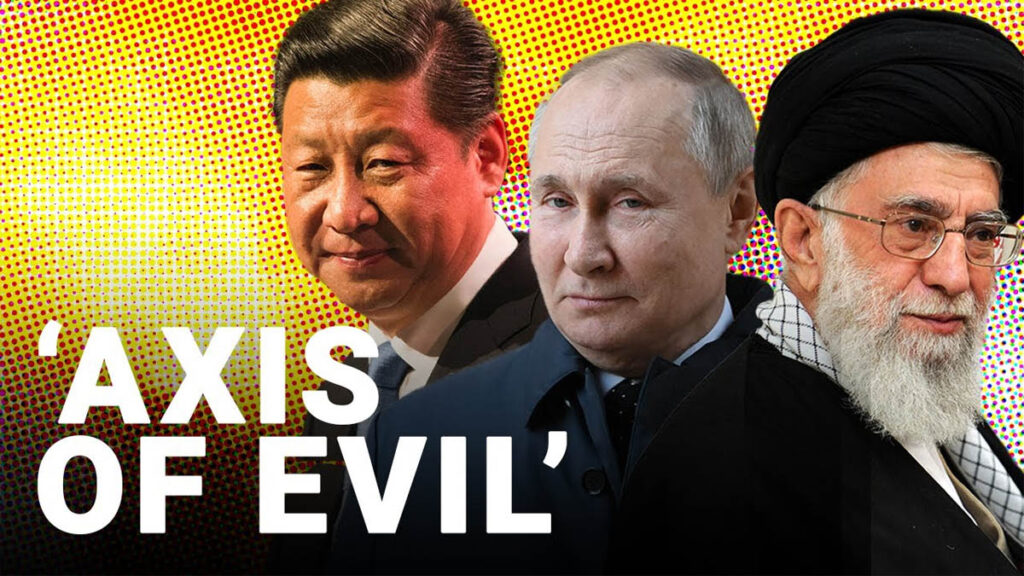
<p class="wp-block-paragraph">A significant and somewhat unexpected alliance is emerging, one that challenges the established norms and power structures that have dominated the post-Cold War era. This burgeoning alliance between China, Russia, and Iran is not merely a fleeting arrangement but rather a strategic partnership aimed at countering Western dominance, particularly that of the United States, on the world stage. While the motivations behind this alliance are multifaceted, including economic, military, and political dimensions, its implications could redefine global power dynamics in profound ways. However, the path to a cohesive and effective partnership among these nations is fraught with internal and external challenges that could either solidify their bond or reveal fissures that undermine their collective goals.</p>


<p class="wp-block-paragraph">Historically, the relationships among China, Russia, and Iran have been complex, marked by periods of cooperation and tension. The transformation of these interactions into a more unified front against perceived Western encroachments, especially American sanctions and military interventions, represents a significant shift in international relations. This alliance is grounded in a shared vision of a multipolar world where no single nation, notably the United States, dictates global norms and policies. The sentiment was encapsulated in discussions among these countries&#8217; leaders, who have increasingly voiced their commitment to reshaping the international order in a way that reflects their interests and ideologies.</p>


<p class="wp-block-paragraph">The signs of cooperation and integration include:</p>


<ul class="wp-block-list">
<li>Strategic Meetings and Diplomacy: High-profile meetings between the leaders of China, Russia, and Iran underscore their commitment to deepening ties. These meetings facilitate discussions on mutual interests and strategies for countering Western dominance.</li>
</ul>


<ul class="wp-block-list">
<li>Military Cooperation and Arms Deals: The countries have engaged in joint military exercises and arms transactions. Iran&#8217;s provision of drones to Russia for its conflict in Ukraine exemplifies this cooperation, highlighting a willingness to support each other&#8217;s military objectives.</li>
</ul>


<ul class="wp-block-list">
<li>Economic and Trade Agreements: Economic ties are a significant aspect of their cooperation. China&#8217;s investment in Iran, especially under initiatives like the Belt and Road Initiative (BRI), showcases economic collaboration. Russia and Iran also aim to enhance trade relations, including energy partnerships and the exploration of creating trade blocs that bypass Western-controlled financial systems.</li>
</ul>


<ul class="wp-block-list">
<li>Nuclear Program Support: Russia and China have supported Iran&#8217;s stance on its nuclear program, particularly in opposition to Western sanctions. Their support is manifest in diplomatic backing within international forums and in bilateral agreements that bolster Iran&#8217;s nuclear energy sector.</li>
</ul>


<ul class="wp-block-list">
<li>Opposition to Western Sanctions: The three countries share a common stance against unilateral sanctions imposed by the West. They have voiced opposition to these sanctions in international forums, advocating for a multipolar world where no single nation dominates global affairs.</li>
</ul>


<ul class="wp-block-list">
<li>Support for Multipolar World Order: China, Russia, and Iran advocate for a multipolar world order, challenging the unipolar system dominated by the United States. Their cooperation is aimed at advancing a foreign policy that supports this vision, through both rhetorical and practical measures.</li>
</ul>


<ul class="wp-block-list">
<li>De-dollarization Efforts: Efforts to reduce reliance on the US dollar in international transactions and move towards trading in national currencies have been part of their economic cooperation. This includes exploring alternatives to Western financial systems, such as the development of independent payment mechanisms.</li>
</ul>


<ul class="wp-block-list">
<li>Information and Cyber Security Collaboration: The countries have shown interest in cooperating on matters of information security, sharing strategies to control the internet within their borders and counter perceived Western cyber threats.</li>
</ul>


<ul class="wp-block-list">
<li>Energy Cooperation: Especially between Russia and Iran, there&#8217;s cooperation in the energy sector, aiming to leverage Iran&#8217;s vast oil and gas reserves and Russia&#8217;s energy sector expertise, despite the challenges posed by international sanctions.</li>
</ul>


<p class="wp-block-paragraph">Despite these converging interests, the alliance faces significant challenges that could hamper its effectiveness. Historical rivalries and regional conflicts, particularly in areas where their strategic interests overlap or diverge, present potential obstacles to a seamless partnership. Furthermore, the internal political dynamics within each country, including domestic opposition to aligning with traditional adversaries, could strain the alliance. The economic disparities among the nations, especially between China&#8217;s burgeoning economy and the more constrained economies of Russia and Iran, also pose challenges to equitable cooperation.</p>


<p class="wp-block-paragraph">Huntington&#8217;s <em>Clash of Civilizations</em> suggests that alliances of this kind are stable as long as a common enemy is maintained this alliance could be stable. But the Soviet Union crumbled without the perception of Western threat to hold them together, with the constituent countries resuming fighting based on centuries old conflict and demographic differences. China, Russia and Iran are demographically incompatible in almost every aspect. If such an alliance were to gain a substantial advantage over the West, the result would be fiercely competitive totalitarian states with no concept of democracy or freedom, dominating the world. This would not be good.</p>

China, Russia, Iran – the New Axis of Evil?