















Britain’s Prime Minister Keir Starmer Is Toast
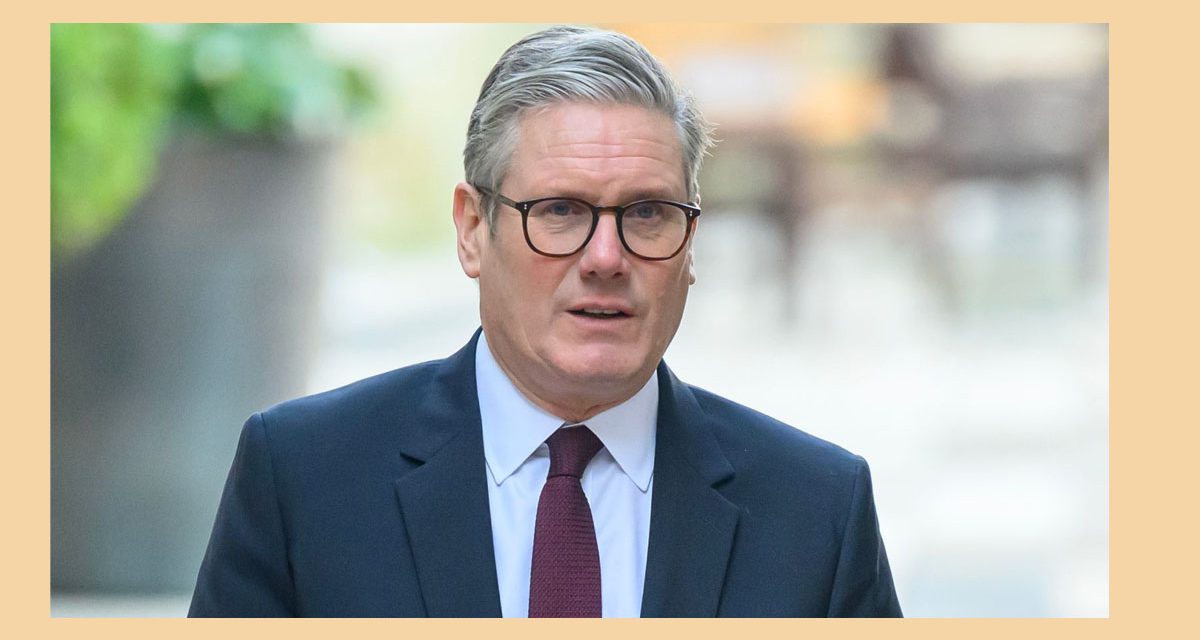
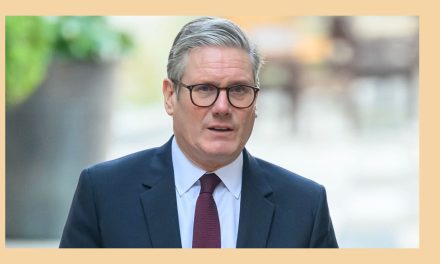
British Prime Minister Keir Starmer has announced his resignation as leader of the Labour Party, ending a dramatic political rise that saw him lead Labour from opposition to a landslide election victory in 2024 before losing the confidence of many members of his own party less than two years later. He will remain prime minister until Labour selects a new leader later this summer.
Starmer, 63, has served as both Prime Minister of the United Kingdom and leader of the center left Labour Party. Before entering politics, he built a distinguished legal career and eventually rose to become one of Britain’s top prosecutors. After entering Parliament, he steadily climbed through Labour’s ranks and became party leader following Labour’s crushing defeat in the 2019 general election. His greatest political achievement came in 2024, when he led Labour to a decisive victory, ending 14 years of Conservative government.
Why Starmer Resigned
In announcing his resignation, Starmer acknowledged that support within Labour’s parliamentary ranks had collapsed.
“The question my party is asking now is whether I am best placed to lead us into the next general election,” Starmer said outside 10 Downing Street. “I have heard the answer of my parliamentary party to that question, and I accept that answer with good grace.”
Rather than fighting an increasingly difficult leadership battle, Starmer chose to step aside while promising an orderly transition of power. He also pledged his “full and unequivocal support” for whoever succeeds him as Labour leader.
The Labour Party plans to begin accepting leadership nominations on July 9, with a new leader expected before Parliament returns in September.
A Rapid Rise Followed by a Swift Fall
Starmer’s resignation is remarkable because of how quickly his political fortunes changed. After winning a commanding parliamentary majority in 2024, he appeared poised to dominate British politics for years.
Instead, Labour’s popularity steadily declined. Poor results in local elections, growing frustration among Labour lawmakers, and the emergence of a serious challenger inside the party convinced many MPs that a leadership change was necessary.
His resignation also continues Britain’s extraordinary political instability. Since the Brexit referendum in 2016, the United Kingdom has cycled through six prime ministers, with Starmer’s successor becoming the nation’s seventh leader in just ten years.
Criticisms That Weighed Down His Government
Starmer faced mounting criticism on several fronts throughout his premiership.
One of the biggest issues was immigration. Critics argued that both legal and illegal immigration remained out of control despite promises to improve border security. Immigration became an increasingly important political issue as Nigel Farage’s Reform Party gained momentum in national polling.
His government also struggled with Britain’s continuing cost of living crisis. Many voters felt economic conditions were not improving quickly enough, despite Labour’s campaign promises.
Starmer was further criticized for a series of policy reversals that damaged perceptions of decisive leadership. Opponents argued that repeated U turns created uncertainty and weakened confidence in his government.
Another controversy involved his appointment of Peter Mandelson as Britain’s ambassador to the United States. Critics questioned Starmer’s judgment after concerns emerged regarding Mandelson’s previous association with convicted sex offender Jeffrey Epstein. Starmer maintained that he had been misled regarding the extent of that relationship, but the controversy added to growing dissatisfaction with his leadership.
Internal Labour critics also questioned whether Starmer had clearly defined a long term vision for the country. As Labour’s polling numbers deteriorated, pressure from within his own party intensified.
Relations With Donald Trump
Starmer’s relationship with President Donald Trump was professional but often marked by policy disagreements.
The two leaders met at the recent G7 summit and were expected to meet again at the upcoming NATO summit. Trump publicly predicted that Starmer would soon resign and wished him well while also criticizing his record.
According to Trump, Starmer had “failed badly on two very important subjects, immigration and energy.”
Despite those disagreements, both governments continued diplomatic engagement on international issues throughout Starmer’s tenure.
Andy Burnham Emerges as the Clear Favorite
Attention has now shifted almost entirely to Andy Burnham, who is widely viewed as the overwhelming favorite to replace Starmer.
Burnham, 56, is a veteran Labour politician who previously served in the governments of Tony Blair and Gordon Brown before becoming the highly visible mayor of Greater Manchester. His recent victory in the Makerfield by election dramatically increased pressure on Starmer and demonstrated Burnham’s continued popularity within the party.
Following Starmer’s resignation announcement, Burnham confirmed he would seek the Labour leadership.
“Keir has given huge service to our country and I want to thank him for his leadership and dedication during such a challenging period,” Burnham said. “I will put myself forward as part of this process.”
Former Health Secretary Wes Streeting, once considered a potential challenger himself, quickly endorsed Burnham, saying he believes Burnham is the right person to lead Labour into the next general election.
Under Labour’s rules, leadership candidates must secure nominations from at least 20 percent of Labour MPs. If Burnham is the only candidate to meet that threshold, he could become Labour leader and Britain’s next prime minister without a contested leadership election.
Britain now enters another leadership transition without holding a general election, since the governing party can replace its leader without returning to the voters. Unless the new prime minister chooses to call an early election, Labour is expected to remain in power until the next scheduled general election in 2029.
Starmer leaves office after one of the shortest premierships in modern British history. His resignation closes a chapter that began with enormous political promise but ultimately ended with growing dissatisfaction inside his own party, setting the stage for yet another leadership change during one of the most politically turbulent decades in modern British history.


Seth, wow, Larry’s wrong. Again. You did read! Yes, I voted for a Republican for President by choice and many…
I realize that you are a capitalist, support the 2nd amendment, and are pro law and order. And I’m sure…
Sethsucksdungandhelikesit: You are right, you said nothing racist on this thread. My mistake, sorry. Hopefully given all the racists round…
Ben is a racist pig. Mike: Marketing? Not sure that’s my first pick for his success. Is there is little…
“In a refreshing display of accountability that seems increasingly rare in our polarized times, federal jurors in Milwaukee did what…